Program with Speaker Photos and Brief Biographies
Program at a Glance ▲
23-June (Tue) Day-2
Workshop 1-12: 16:30 – 18:30 (in parallel)
•Hongjo Lee (University of Missouri, USA)
“Establishing a conditional gene knockout platform in chickens via CRISPR/Cas9-NHEJ-mediated gene targeting”
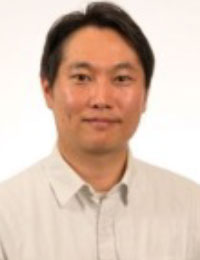
Hong Jo Lee, PhD, is the Director of Research at Avinnogen, Korea. His work centers on editing the chicken genome, primarily for the purpose of developing new animal models."
•Ben Beaton (Genus plc., USA)
“Genus PRRSV resistant pigs: The journey to commercialization”
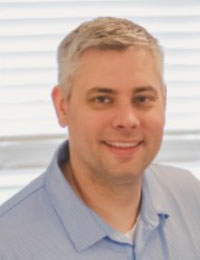
Benjamin Beaton, PhD, is the Director of Gene Editing at Genus plc, where he leads research programs advancing gene editing technologies in livestock. His work focuses on developing disease-resilient traits, including the PRRS-resistant pig, and translating genetic innovations into commercial applications.
•Kiho Lee (University of Missouri, USA)
“Use of gene editing technology to enhance the value of livestock species”
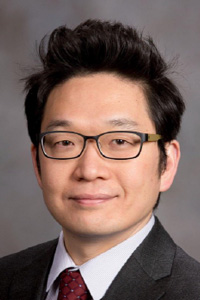
Kiho Lee graduated from Seoul National University with a Bachelor's degree in Animal Sciences. Then, he received MS and PhD from Purdue University, and Postdoc training from University of Missouri-Columbia. While at University of Missouri, he generated immune-deficient pigs that could support growth and proliferation of human induced pluripotent stem cells. During that time, he was also involved in establishing genome-edited pigs resistant to Porcine Reproductive and Respiratory Syndrome virus (PRRSV) by disrupting CD163 gene using genome editing technology. He is currently a Professor in the Division of Animal Sciences at University of Missouri and the Director of the National Swine Resource and Research Center (NSRRC). Dr. Lee’s lab currently focuses on designing genetically engineered large animal models for agriculture and biomedicine.
•Satoshi Sugimura (Tokyo University of Agriculture and Technology, Japan)
“Technological advancements needed for bovine OPU-IVP”
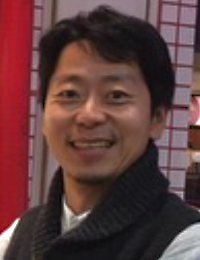
Satoshi Sugimura, PhD, is a Professor in the Department of Biological Production at the Institute of Agriculture, Tokyo University of Agriculture and Technology, Japan. His research centers on early embryogenesis and embryo competence in cattle, with a particular focus on understanding early embryonic loss and developing new assisted reproductive technologies to improve it.
•Ricarda Maria dos Santos (Federal University of Uberlândia, Brazil)
“Ovary stimulation prior OPU: Effects on oocyte recovery and embryo production”
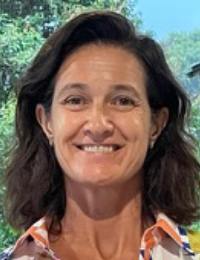
Ricarda Maria dos Santos, DVM, PhD, is a Full Professor at the Faculty of Veterinary Medicine and Animal Science of the Federal University of Uberlandia, Minas Gerais. Her research focuses on dairy cattle reproductive efficiency, working mainly on the following topics: uterine health, estrus detection, fixed-time artificial insemination and embryo production.
•Hannah Braun (Colorado State University, USA)
“Evaluating bovine embryo competence through time-lapse technology”

Hannah Braun, MS, is a PhD candidate in the Biomedical Sciences Program at Colorado State University, USA. Her research focuses on preimplantation bovine embryo development, with an emphasis on leveraging time-lapse technology to evaluate embryo competence through morphokinetic analysis.
•Yasumitsu Masuda (L-Set Co., Ltd., Japan)
“Evaluation of bovine embryo quality using optical coherence tomography imaging”
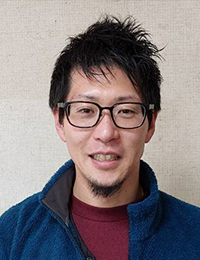
Yasumitsu Masuda, DVM, PhD, is a veterinarian working for a company involved in cattle breeding in Chugoku region, Japan. His main interest is on establishing methods for selecting highly fertile bovine embryos and promoting the adoption of OPU technology among farmers.
•Eliaou Sellem (INRAE, France)
“Predicting male fertility: what decades of semen analysis have taught us and where we’re heading”
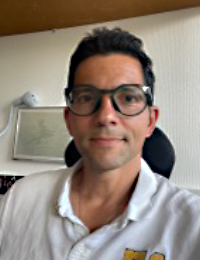
Eliaou Sellem, PhD, is a researcher at the French National Institute for Agriculture, Food and Environment (INRAE), in the UMR BREED (Biology of Reproduction, Environment, Epigenetics and Development) unit. His work focuses on the study of sperm epigenetics in ruminants, particularly on the role of sperm-born small non-coding RNAs in fertility and the construction of offspring phenotype.
•Eleni Malama (University of Zurich, Switzerland)
“Sperm function and prediction of bull fertility: Do we need more than one good swimmer?”
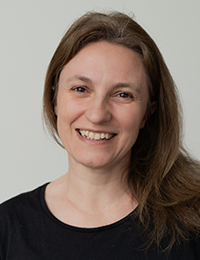
Dr. Eleni Malama is a Research Assistant at the Clinic of Reproductive Medicine, Vetsuisse Faculty, University of Zurich, Switzerland. Her research centers on andrology and reproductive biology in farm animals, with a particular focus on evaluating sperm function and supporting fertility management in male animals. She works extensively with advanced sperm analysis methods, including flow cytometry, computer-assisted sperm analysis, and molecular assays, to assess sperm functional competence. Dr. Malama is also involved in studies aimed at improving the prediction of male fertility. She has strong expertise in experimental design, statistical analysis, and the use of innovative data-driven approaches in animal reproduction research. She especially enjoys exploring, interpreting, and making sense of research data, viewing data analysis as both an essential scientific tool and a source of curiosity.
Universitat Zurich:
https://www.zora.uzh.ch/entities/person/5decb4ee-5c1c-43d9-99f7-792f09c00d2c
ORCID:https://orcid.org/0000-0003-1433-7336
•Quinn Hoorn (University of Dublin, Ireland)
“A metabolomic approach to identifying biomarkers of bull fertility”
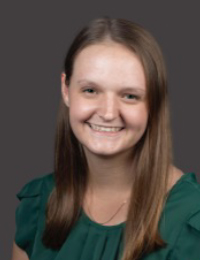
Quinn Hoorn, MS, is a PhD student in the School of Agriculture and Food Science at the University College Dublin, as part of the BullNet Doctoral Network. Her research explores molecular mechanisms in sperm that influence male fertility and early embryonic development, with a particular emphasis on metabolites and non-coding RNAs.
•Chrystelle Le Danvic (Eliance, France)
“Bovine sperm sncRNAs vary according to bull fertility”
•Laercio Portoneto (CSIRO, Australia)
“Multi-breed genomic predictions for male fertility indicators in tropical cattle”
Dr Porto-Neto graduated in Veterinary Medicine from the University of Sao Paulo (USP), Brazil and obtained a Master of Science in Animal Reproduction from the same University. He then moved to Australia to pursue his PhD in Molecular Genetics at the University of Queensland. Currently, he is the Team Leader of Animal Genomics at CSIRO. The team takes a holistic approach to on-farm systems, detecting efficiency gaps, and, by making use of recent advances in genomic technologies, aims to develop research-based solutions for improved efficiency, resulting in a greater return to the producer.
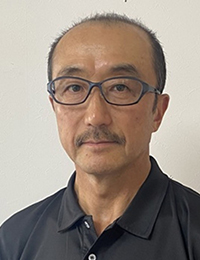
Yuji Inoue, DVM, MS, PhD, is a private practitioner in Hokkaido, Japan where is a main region of equine reproduction. His main interest is practical diagnosis and treatment for subfertility of mares, including disorder of uterine tubal patency.
Yasuo Nambo, DVM, PhD, is a professor of equine reproduction in Obihiro University of Agriculture and Veterinary Medicine. He has been studied on equine reproductive endocrinology, especially for Thoroughbred breeding industry in Hokkaido. He is now focusing on research and education of equine ART as well as clinical diagnostic medicine. His mission is to create horses that are useful to society, and to send many students into the horse industry.
•MA Hannan (Obihiro Univ Agr & Vet Med, Japan)
“Circulating profile of insulin-like peptide 3 (INSL3) and its biological roles in stallions”

M A Hannan, DVM, PhD, is a Post-doctoral Researcher at Prof. Dr. Yasuo Nambo’s laboratory in the Department of Clinical Veterinary Sciences, Obihiro University of Agriculture and Veterinary Medicine, Japan. His research focuses on ovum-pick (OPU), intracytoplasmic sperm injection (ICSI), and the endocrinology of the reproductive cycle and pregnancy in Japanese native horses.
•Duccio Panzani (Pisa University, Italy)
“Induction of Ovulation in Mares and Jennies Using hCG, GnRH analogues, and Kisspeptin”
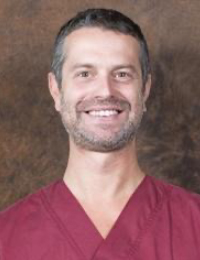
Duccio Panzani, DVM, PhD, Associate Professor in the Department od Veterinary Science of Pisa University, Italy.
His research centers on horse and donkey reproductive clinical endocrinology and advanced reproductive techniques, with a particular focus on embryo transfer and estrus cycle pharmacologic management.
•Hossam El-Sheikh Ali (University of Kentucky, USA)
“Clinical Applications of Anti-Müllerian Hormone in Stallions and Mares”
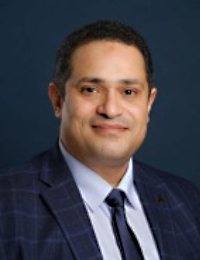
Dr. Hossam El-Sheikh Ali, DVM, MVSc, PhD, PhD, DACT, is an Associate Professor of Equine Reproduction at the Gluck Equine Research Center, University of Kentucky, USA. His research focuses on reproductive endocrinology as well as placental physiology and pathology, with a particular emphasis on equine placentitis.
•Jessica Lawson (Royal Veterinary College London, UK)
“Twists of Fate: Genetic Insights into Equine Umbilical Cord Torsion”
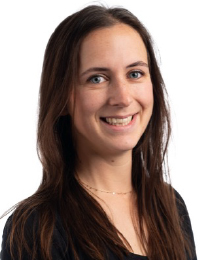
Dr Lawson obtained her veterinary degree from the Royal Veterinary College in 2013 and spent much of her clinical career working in Thoroughbred breeding practice in the USA. Jessica returned to the RVC to undertake a PhD investigating the incidence, causes and diagnostic features of abortion attributed to an umbilical cord torsion in Thoroughbreds. Following completion of her Doctorate in 2022, Jessica has remained at the college as a Research Fellow and is continuing her work exploring umbilical cord torsion, and causes of equine mid and late term pregnancy loss more widely, using epidemiological and genetic methodologies.
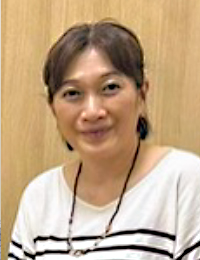
Satoko Matoba, PhD, is a director of Animal Reproduction Technology Team
(cattle and pig), Animal Production Science Division, National Livestock
Breeding Center head-office (NLBC) and IETS Board of Governor, Organization
Committee for ICAR 2026, Academic Secretary of the Japan Embryo Technology
Society. She is focusing on research and education of applied reproduction
for the development applied bovine IVP technologies, oocyte developmental
competence and kinetics, genomic evaluation by embryos in cattle. Her work's
mission is to contribution to the development of livestock and enrich the
dietary life in Japan through for improving reproductive performance and
genetical acceleration.
•Joao H M Viana (Embrapa, Brazil)
“Perspectives on the Farm Animal Embryo Industry in Asia: The Importance of a Comprehensive Data Collection Framework”
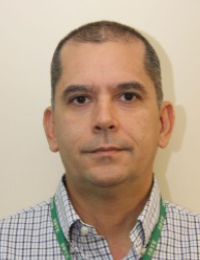
Joao Henrique Moreira Viana, DVM, DSc, is an Scientific Researcher in the Embrapa's Genetic Resources and Biotechnology Center, Brazilian Agricultural Research Institution, Brazil, and Chair of the IETS Data Retrieval Committee. His research interests include exogenous control of ovarian function in cattle, with a particular focus on improving oocyte quality and in vitro developmental potential.
•Marie Ellul (ART lab solutions, Australia)
“Current and Future Perspectives of IVD & IVF Embryos in Australia”

Marie Ellul, B.HSci. (Hons), MBA, is CEO & Director of ART Lab Solutions, leading the development and adoption of reproductive technologies to improve livestock quality. With over 15 years’ experience in animal embryology, she focuses on advancing cattle IVF and other innovations to benefit breeders, farmers, and veterinarians. Her work bridges reproductive science and agricultural application, driving genetic improvement for livestock across Australia and on a global scale
•Osamu Dochi (Rakuno Gakuen University, Japan)
“Use of assisted reproductive technologies in breeding and improvement of cattle and future directions in Japan”
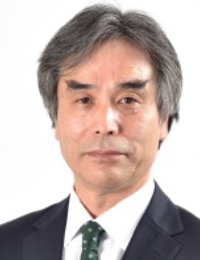
Osamu Dochi, PhD, is a Professor in the Laboratory of Applied Reproductive Technologies, Department of Sustainable Agriculture, College of Agriculture, Food and Environment Sciences, Rakuno Gakuen University, Hokkaido, Japan. He is president of the Japan Embryo Technology Society. His main research objectives are the application of ET technology in dairy and beef cattle breeding and reproductive management, and the development and extension of related technologies to farmers.
•Junkoo Yi (Hankyong National University, Korea)
“Current Status and Future Perspectives of the Bovine Embryo Transfer Industry in Korea”
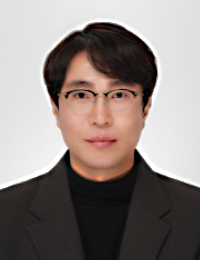
Junkoo Yi, PhD, is an Assistant Professor in the Department of Animal Life Science at Hankyong National University, Korea. His research focuses on reproductive biotechnology and cryopreservation, with particular emphasis on bovine embryo transfer, cold chain preservation technologies, and advanced in vitro monitoring systems for embryo quality assessment.
•Siddhartha Shankar Layek(NDDB, India)
“Bovine Embryo Transfer industry in India: achievements, challenges, and emerging solutions”
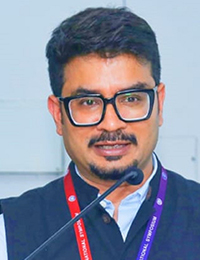
Dr. Siddhartha Shankar Layek is presently working as Manager (Animal Breeding), National Dairy Development Board, Anand, India (NDDB, Anand) and Team Leader in OPU-IVEP-ET Facility. He is a veterinarian and completed Master degree and Ph.D. in the field of Livestock Production and Management with major focus on animal reproduction from ICAR-National Dairy Research Institute, Karnal, India. He also received Fulbright Nehru Doctoral and Professional Research Fellowship and pursued his PhD research in Department of Animal Science, Cornell University, Ithaca, USA. Apart from his tenure at Cornell, he was trained in OPU-IVEP-ET at EMBRAPA, Brazil and Transova, USA. He was recipient of IETS - Foundation Early Career Achievement Award” during 2023.
•Flavio Vieira Meirelles (Universidade de São Paulo, Brazil)
“Extracellular vesicles in follicular development: Shaping oocyte competence”
•Cristina A. Martinez-Serrano (INIA-CSIC, Spain)
“Extracellular vesicles as mediators of embryo-maternal communication during early development in the porcine species”
•Dimitrios Rizos (INIA-CSIC, Spain)
“Extracellular vesicles in embryo production: Enhancing culture systems and developmental competence”
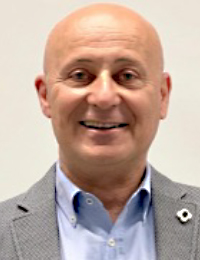
Professor of Research and Director of the Department of Animal Reproduction at INIA-CSIC, Madrid-Spain, leading the “Assisted Reproduction and Preimplantation Embryology in Cattle” group, with a Ph.D. and postdoctoral research from University College Dublin. My research focuses on extracellular vesicles from the female reproductive tract, especially their protein and microRNA cargo, to improve in vitro embryo culture and develop 3D models that mimic physiological conditions for studying embryo–maternal communication. These studies aim to improve dairy cattle fertility and reveal key early pregnancy mechanisms.
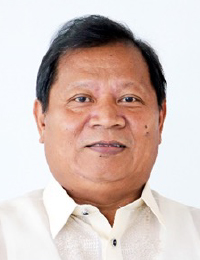
DR EDWIN C. ATABAY is a Scientist II of the Philippine Carabao Center, National Headquarters and Gene Pool, Science City of Munoz, Nueva Ecija. He graduated with the degree of Bachelor of Science in Animal Husbandry, Doctor of Veterinary Science and Medicine and Master of Science in Animal Science in 1983, 1985 and 1995, respectively at Central Luzon State University, Science City of Munoz, N.E. He finished his PhD in Veterinary Medicine at Hokkaido University, Sapporo, Japan in 2003 as a Japanese Government scholar. He attended post-doctoral studies at University of Connecticut in 2008 and University of Tennessee, Knoxville in 2018 under the Fulbright Advance Research Program. Dr Atabay is a technical expert in Animal Reproductive Biotechnology and Physiology. He spearheaded the implementation of the intensified reproductive management program to increase reproductive efficiency of buffaloes, cattle, and goats.
His scientific undertakings in the past several years were capped with awards and recognitions by various national organizations. He was recognized Division XIII NRCP Achievement Awardee in 2021; 2022 Outstanding Veterinarian in Government Service given by the PVMA; 2007 VPAP Outstanding Veterinarian in Large Ruminant, and 2015 PSAS Distinguished Researcher in Veterinary/Animal Science. Currently, he is designated as OIC-Deputy Executive Director and chief of Operations of PCC.
•Rangsun Parnpai (Suranaree University of Technology, Thailand)
“Recent Status of ARTS and Applicable Technologies in Buffaloes in Thailand”
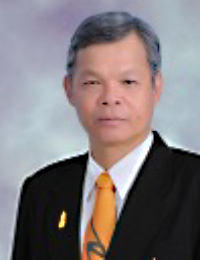
Dr. Rangsun Parnpai obtained a Ph.D. from Kyoto University, Japan. He is currently a professor and director of the Embryo Technology and Stem Cells Research Center, School of Biotechnology, Suranaree University of Technology, Thailand. He has been working on reproductive technologies in livestock and endangered species for more than 30 years. He served as president of the World Buffalo Federation and the Asian Buffalo Association between 2010 and 2013. Currently, his research is focusing on SCNT, IVP, and vitrification of oocytes and embryos in cattle and buffaloes. Under his supervision, 22 Ph.D. and 21 M.Sc. students have graduated thus far.
•Qaisar Shazad (Royal Cell Technology, China)
“Bilateral partnership between Pakistan and China on Embryo Production thru OPU-IVP and Transfer for Intensified Propagation of Milking Buffaloes”
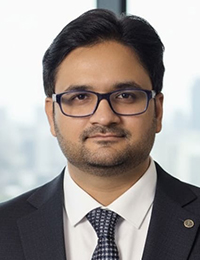
Dr. Qaisar Shahzad, PhD (Guangxi University, China), is a leading animal geneticist and reproductive biotechnologist credited with pioneering assistedreproductive technologies in Pakistan. He has established five IVF laboratories and three semen production units, making them national hubs for elite genetics. A career highlight is spearheading the export of 10,000 buffalo embryos to China under Pakistan’s first FMD-free compartment. As Director of Royal Cell Biotechnology and Consultant to FonGrow, he champions genetic exports, genomic traceability, and public-private collaboration, positioning Pakistan as a regional leader in livestock biotechnology.
•Eufrocina P. Atabay (Philippine Carabao Center, Philippines)
“Developments on Timed Artificial Insemination for Genetic Improvement of Water Buffaloes in the Philippines”
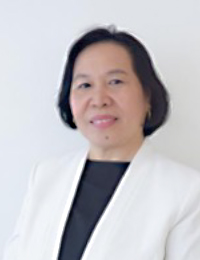
Dr. Eufrocina P. Atabay is a Research Scientist with expertise in Animal Reproductive Physiology and Biotechnology, specializing in advanced reproductive technologies such as Reproductive Cell Cryopreservation, Embryo Production and Transfer, and Timed Artificial Insemination in Buffaloes and Cattle.
•Ana Meikle (Universidad de la República de Uruguay, Uruguay)
“Peripartum energy balance and subsequent fertility”
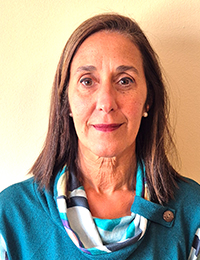
Ana Meikle is Professor of Animal Endocrinology and Metabolism in the Faculty of Veterinary at the University of Uruguay. Her research focuses on the understanding of dairy management (mainly nutrition) on milk production, metabolism, health and reproductive physiology. She is a member of the Member of the International Committee of Animal Reproduction (2016), elected member of the National Academy of Sciences in Uruguay (2015), Professor Ad Hoc Animal Reproduction, University of Massey (2016) and has acted as expert fort he International Atomic Energy Agency (2001). She has supervised 20 PhD and 15 MSc students to completion and has published over 130 peer-reviewed papers.
•Scott McDougall (Cognosco, Morrinsville, New Zealand)
“Uterine health and fertility in pasture-based dairy cattle systems”
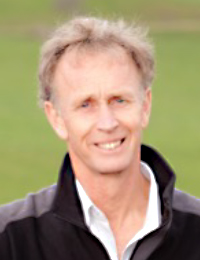
McDougall is a veterinarian with nearly 40 years of experience in clinical practice, academia, research and extension. He has postgraduate training in production medicine, and a PhD in cattle reproduction. He is a registered specialist in cattle reproduction and an adjunct Professor at the School of Veterinary Science at Massey University, Palmerston North, New Zealand. He has published extensively on the epidemiology, physiology and on interventions aimed at improving reproductive performance of pasture-fed dairy cattle.
He has been actively involved in postgraduate teaching and extension of reproductive messaging in New Zealand including being part of the national reproduction improvement programme (InCalf) since its inception.
•Susanne Meier (DairyNZ, Hamilton, New Zealand)
“Impact of selection for high and low fertility on reproductive outcomes”

Dr. Susanne Meier is a Senior Scientist at DairyNZ, specializing in dairy cow physiology, reproduction, and metabolic health in pasture-based systems. She holds a Ph.D. in Physiology from Monash University and has led research programs improving fertility and health in seasonal dairy herds. Her work spans reproductive physiology and herd reproductive performance, transition cow health, immune modulation during early pregnancy, and genomic associations with reproductive traits.
Recent projects focus on understanding the difference in reproductive features between animals with different genetic merit for fertility, exploring phenotypes, including those able to collect automatically using animal sensors. Dr Meier is also exploring how industry research can add value to the investments farmers are making in animal sensors.
Working closely with farmers to understand their opportunities and challenges, actively seeking farmer input to shape research questions and ensure practical, impactful outcomes.
Dr. Meier has collaborated nationally and internationally to advance sustainable dairy farming and has published widely in leading journals.
•Stephen Butler (Teagasc, Moorepark, Ireland)
“Improving fertility in seasonal, pasture–based dairy herds: synchronisation, anoestrus detection and strategic sexed–semen use”
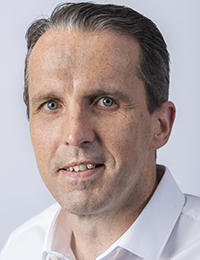
Dr. Stephen Butler is a Principal Research Scientist and group leader for dairy cattle reproduction research in Teagasc Moorepark, located in Co. Cork. His main areas of research include exploring the genetic basis of sub-fertility, oestrus and ovulation synchronization protocols for seasonal calving systems, the effects of micronutrients on dairy cow reproductive physiology, strategies to utilize sex-sorted semen in dairy herds, and the use of assisted reproductive technologies to accelerate genetic gain in elite genetic merit dairy and beef breeds. He has served as physiology section editor for Livestock Science and Journal of Dairy Science. He has presented invited plenary session talks at national and international conferences to animal scientists, veterinarians, policy makers and dairy herd-owners. He has published over 100 peer-reviewed scientific publications.
•Mayako Fujihara (Wildlife Research Center, Kyoto University, Japan)
“Value of reproductive studies for wildlife conservation programs in Japan
”
•Alexandre Silva (Universidade Federal Rural do Semi-Árido, Mossoro, Brazil)
“Peccary reproduction and fertility preservation, showing the link between ex situ and in situ conservation efforts”
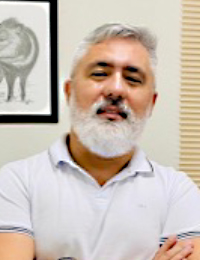
Alexandre Rodrigues Silva, DVM, PhD, is a Full Professor at the Center of Agricultural Sciences at the Federal University of Semiarid Region, Brazil. His research focuses on the reproductive physiology of wildlife and the development of assisted reproduction techniques applied to wildlife conservation, particularly the development of biobank protocols for gametes and gonadal tissues.
•Ampika Thongphakdee (Zoological Park Organization, Thailand)
“Value of reproductive studies for wildlife conservation programs in Thailand”

Ampika Thongphakdee, DVM, PhD, is a Senior Wildlife Specialist and Chief of Wildlife Reproductive Innovation Center, Animal Conservation and Research Institute, Zoological Park Organization of Thailand under the Royal Patronage of H.M. the King. Her research focuses on ARTs for conservation, particularly in wild felids, elephants, and Eld’s deer.
•Pierre Comizzoli (Smithsonian’s National Zoo and Conservation Biology Institute, USA)
“Value of reproductive studies for wildlife conservation programs in Africa”
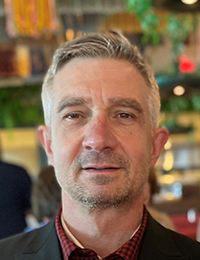
Pierre Comizzoli, DVM, PhD, is a Senior Program Officer for Science at the Smithsonian Institution in Washington DC, USA. His research centers on reproduction, fertility preservation, assisted reproduction, and biobanking of a wide range of wild animal species in different countries.
•Inmaculada Parrilla Riera (University of Murcia, Spain)
“Introduction: Role of omics and precision swine breeding in modern swine reproduction”
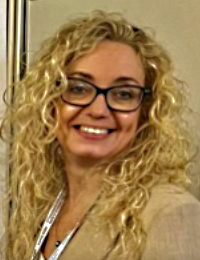
Inmaculada Parrilla Riera, DVM, PhD, is a Full Professor in the Department of Animal Medicine and Surgery at the Faculty of Veterinary Sciences, University of Murcia (Spain). Her research centers on porcine reproductive biotechnologies, with emphasis on boar seminal plasma and sperm proteomics, and the immunological and proteomic dynamics of early and very early embryo-maternal interactions in pigs.
•Isabel Barranco Cascales (University of Murcia, Spain)
“Seminal plasma extracellular vesicles: Key components in boar reproductive performance”

Isabel Barranco, DVM, PhD, is a Ramón y Cajal postdoctoral researcher in the Department of Medicine and Animal Surgery at the University of Murcia, Spain. Her research mainly focuses on identifying fertility biomarkers in pig seminal plasma, with a particular focus on those contained in seminal extracellular vesicles.
•Manuel Alvarez-Rodriguez (National Institute of Agricultural and Food Research and Technology (INIA-CSIC), Spain)
“Seminal signals: Maternal tract modulation and early embryo development”
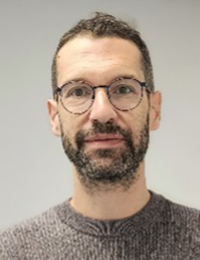
Dr. Álvarez-Rodríguez is a Tenured Scientist (Científico Titular) at the National Institute for Agricultural and Food Research and Technology (INIA-CSIC) in Madrid, Spain. His main research focuses on the molecular mechanisms of sperm signaling and capacitation, as well as male–female interactions, primarily in the porcine species but also across various comparative models of animal reproduction.
•Padet Tummaruk (Chulalongkorn University, Thailand)
“Single fixed-time insemination in swine: Relevance and impact on AI success”
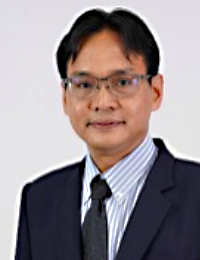
Professor Padet Tummaruk received his D.V.M. degree from Chulalongkorn University in 1997 and later earned his M.V.Sc. and Ph.D. from the Swedish University of Agricultural Sciences in 2001. He currently serves as Head of the Centre of Excellence in Swine Reproduction, Department of Obstetrics, Gynaecology, and Reproduction, Faculty of Veterinary Science, Chulalongkorn University, Bangkok, Thailand.
His teaching and research focus on swine reproduction, covering areas such as reproductive biology, semen technology, assisted reproduction, ovarian physiology, gilt management, artificial insemination, boar semen cryopreservation, and neonatal piglet care.
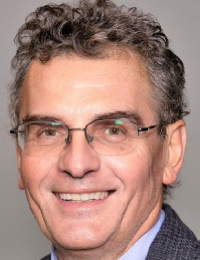
Full Professor of Veterinary Anatomy and Histology at the Department of Agricultural and Environmental Sciences, University of Milan, and former President of ICAR. Prof. Gandolfi is a leading expert in the development of in vitro platforms designed to optimize gamete maturation and embryo development. His recent research focuses on the creation of organoids that replicate the physiological environment of uterine-embryo interactions, offering new insights into animal fertility. Additionally, he is actively involved in the development of a fish intestinal model aimed at evaluating complex diets and bioactive compounds.
•Islam M. Saadeldin (King Faisal Specialist Hospital & Research Centre, Saudi Arabia)
“Novel strategies to generate organoids in the reproductive system”
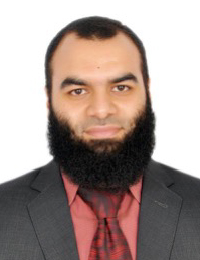
Professor Islam M. Saadeldin is a Senior Scientist at King Faisal Specialist Hospital & Research Center. His research focuses on CRISPR/Cas9-engineered extracellular vesicles and modeling endometrial organoids to support early embryo development, aiming to enhance implantation and pregnancy outcomes in cloned and transgenic animals. His prolific output includes over 200 publications, two edited books, and four patents. He has earned prestigious awards, including the Fuller Bazer SSR International Scientist Award (USA) and IETS Early Career Achievement Award (USA).
•Tiziana A.L. Brevini (University of Milan, Italy)
“3D modelling embryo-endometrial interactions”
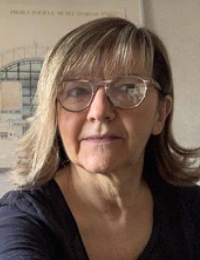
Tiziana A.L Brevini serves as Full Professor of Anatomy and Embryology at the University of Milan, Italy. Her main area of research focuses on the understanding of cell differentiation and commitment, epigenetic, paracrine and mechanosensing-related controls in mammalian cell fate as well as in biparental and parthenogenetic embryos. She has also developed new protocols for the creation of 3D culture systems and organoids.
•Alireza Fazeli (Estonian University of Life Science, Estonia)
“Effects of 3D culture on extracellular vesicles characteristics and potency in the reproductive system”
•Ali Honaramooz (University of Saskatchewan, Canada)
“Testis Organoids as an In Vitro Model for Cadmium-Induced Reproductive Toxicity (Selected from young research scientist's poster submissions: C000685)”
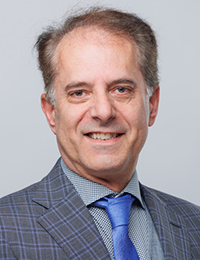
Ali Honaramooz, DVM, PhD, is a Professor of animal reproduction at the Western College of Veterinary Medicine, University of Saskatchewan, Canada. His research focuses on the study and manipulation of male germline stem cells. His work has opened new avenues in both basic and applied research in male reproduction, including the development of testis tissue xenografting across diverse species, germ cell transplantation in farm animals, a testis tissue regeneration model, and testis organoid systems. He has also introduced innovative approaches for the isolation, enrichment, characterization, long‑term culture, (cryo)preservation, genetic manipulation, (trans)differentiation, and colony formation of spermatogonial stem cells or gonocytes.
•Carlos Eduardo Ambrosio (University of São Paulo, Brazil)
“In Vitro Evaluation of Cell Viability and Histological Organization of 3D Bioprinted Constructs with Canine Amniotic Mesenchymal Stem Cells in a 2D Model (Selected from young research scientist's poster submissions: C000600)”
Dr. Carlos Eduardo
Ambrósio https://buscatextual.cnpq.br/buscatextual/visualizacv.do?metodo=apresentar&id=K4706189P8 is a full professor of Animal Biotechnology and Anatomy at the University of São Paulo (USP). Actually, has served as the Provost of Graduate Studies at USP since march of 2026. Work over 20 years with extensive experience in comparative morphology, regenerative medicine, and institutional governance. Expertise has been for the last 24 years with stem cells (mesenchymal, hematopoietic and IPs cells). In the last 10 years the group has been working with gene editing, since chimeric endonuclease, Zinc fingers, TALENS, CRISPR Cas 9 and 3D Printing in animal models. Dr. Ambrósio is P.I of the group from Pirassununga-Brazil, Production of high-impact research with over 300 published papers and 5,000 citations.

Ann Van Soom, DVM, PhD, Dipl ECAR is a Full Professor in the Department of Internal Medicine, Reproduction and Population Health, Ghent University, Belgium
Her research focuses on in vitro fertilization and embryo development in domestic mammals. An ancillary line of her research is dedicated to reproductive biology in domestic dogs and cats, with a particular emphasis on sperm quality assessment and the characterization of the genital microbiome.
•Penelope Banchi (Ghent University, Belgium)
“Microbiota in the canine genital tract: friend or foe”
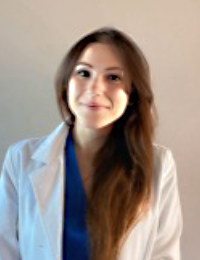
Dr. Penelope Banchi graduated in Veterinary Medicine from the University of Turin (Italy) in 2019. She worked as a clinician and researcher in exotic animal medicine and later in small animal reproduction at the same institution. In 2021, she began a residency with the European College of Animal Reproduction (ECAR) and joined Ghent University (Belgium) as a research assistant. She recently completed her Ph.D. with a thesis on the "feto-maternal microbiome in small animals" under the supervision of Prof. Ann Van Soom and Prof. Ada Rota. Her work focuses on the reproductive microbiome and other aspects of canine and feline reproduction. She has been awarded research grants by the American Kennel Club (AKC) and the European Society for Small Animal Reproduction (EVSSAR), and is the author of several peer-reviewed publications and international conference abstracts.
•Sandra Goericke-Pesch (University of Veterinary Medicine Hannover, Germany)
“Possible causes of low semen quality in dogs”
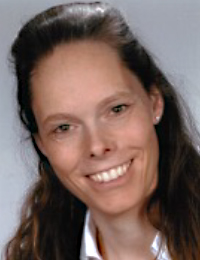
Sandra Goericke-Pesch, DVM, Dr. med. vet., is a Full Professor at the Unit for Reproductive Medicine - Clinic for Small Animals at the University of Veterinary Medicine Hannover, Foundation, Germany. Her research focus is on the etiology of male infertility, canine dystocia with special focus on uterine inertia and contraception in small animals.
•Chiara Milani (University of Padova, Italy)
“Ultrasound findings in normal or pathological canine pregnancies”

I obtained a DVM Degree in 2003, and a PhD in 2008 at the University of Padova, I held a position of Researcher in 2008 and became Associate Professor in 2022 at the University of Padova in the area of Animal Reproduction, Obstetrics and Gynaecology. From 2005 I am working in small animal reproduction area at the Veterinary teaching hospital of the University of Padova, teaching Reproduction in small animals to the vet students on the 5th year of the Veterinary Degree course and comparative animal reproduction, neonatology and breeding techniques to the students of the bachelor’s degree in Animal Care.
25-June (Thu) Day-4 16:30 - 18:30
Workshop 13-24: 16:30 – 18:30 (in parallel)
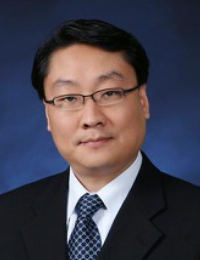
Chang-Kyu Lee, PhD, is a Professor in the Department of Agricultural Biotechnology, Animal Biotechnology Major, at Seoul National University, Republic of Korea. His research focuses on in vitro embryo production, and the generation of transgenic and cloned animals. species-specific mechanisms of pluripotency in mammals, the establishment of various types of pluripotent stem cell lines, lineage segregation of stem cells, and studies on synthetic embryos and cellular agriculture.
•Pablo Ross (University of California Davis, USA)
“Species-specific pluripotency in Domestic Animals”
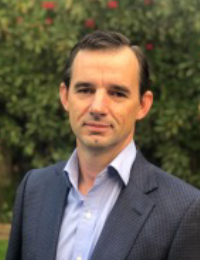
Dr. Pablo J. Ross is the Chief Scientific Officer at STgenetics, a company specialized in sperm sex sorting technology and animal genetics. Dr. Ross obtained a D.V.M. degree from La Plata National University, a Master degree in Animal Science from Mar del Plata National University (both in Argentina), and a Ph.D. in Animal Science from Michigan State University in the US. From 2010 to 2020, Dr. Ross was a Professor of Reproductive Biology at the University of California Davis. His work relates to developing embryo and pluripotent stem cell technologies for use in agriculture and biomedicine as well as genomic resources for better understanding the genotype-to-phenotype relationship. One of the main scientific interests of Dr Ross is related to understanding the mechanisms of epigenetic remodeling and transcriptional reprogramming that occur during preimplantation embryo development. Dr. Ross has published over 100 peer-review articles and delivered multiple presentations at various national and international conferences.
•Young Tang (Northwest A&F University, China)
“Investigating the Signaling Network Differences that Determine Bovine Pluripotency”
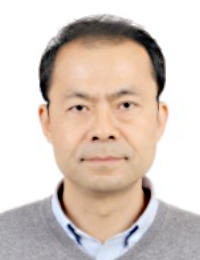
Young Tang: Ph.D. in Animal Science, Professor. Currently serves as a Second-Class Professor in the Department of Basic Veterinary Medicine at the College of Veterinary Medicine, Northwest A&F University. He graduated from the Department of Animal Science at the University of Connecticut (Uconn), USA, in 2012. From 2012 to 2014, he worked as a postdoctoral researcher in the Department of Animal Science at UConn College of Agriculture, Health, and Natural Resources. In 2014, he was appointed as an Assistant Professor in the Department of Animal Science and promoted to tenured Associate Professor in 2020 at UConn. His research focuses on human and animal embryonic stem cell (ESC) development and therapies, ESC-based early embryo developmental study, breeding of superior livestock and veterinary medical models, as well as the development of novel antiviral drugs.
•Li-Fang (Jack) Chu (University of Calgary, Canada)
“Species-specific developmental clock models derived from pluripotent stem cells”
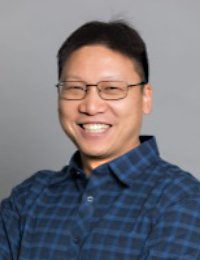
Dr. Chu received his PhD in cell and molecular biology from Baylor College of Medicine. His doctoral training focused on investigating the relationship between early embryogenesis and pluripotent states in vitro. He trained as a postdoc and scientist with Dr. James Thomson at the Morgridge Institute for Research, University of Wisconsin-Madison, where he became interested in studying developmental timing. Dr. Chu joined the Department of Comparative Biology & Experimental Medicine as an Assistant Professor at the Faculty of Veterinary Medicine in August 2020. He currently holds a Tier II Canada Research Chair in Cellular Reprogramming and is affiliated with the Alberta Children’s Hospital Research Institute (ACHRI). His research interests focus on using pluripotent stem cells to model development and disease, and to identify novel therapeutic strategies for regenerative medicine.
•Choi Kwang Hwan (Space F Corp. Ltd., Korea)
“Pig Pluripotent Stem Cells as a Platform for Cellular Agriculture Applications”
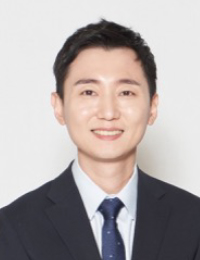
Kwang-Hwan Choi, PhD, is the Chief Science Officer at Space F Corporation, specializing in stem cell biology and cellular agriculture. His recent work focuses on optimizing culture systems for pluripotent stem cells derived from livestock species, aiming to advance cultivated meat production and elucidate mechanisms of muscle development.
•Matt Lucy (University of Missouri, USA)
“An international perspective on the importance of aging in farm animals”
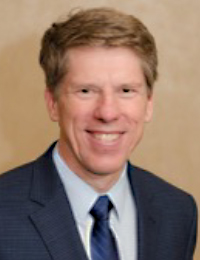
Dr. Matt Lucy is Professor of Animal Science at the University of Missouri-Columbia. He received a B.S. from Cornell University, an M.S. from Kansas State University and a Ph.D. from the University of Florida. Dr. Lucy's current research program examines the physiological processes regulating fertility in dairy cows and explores practical methods that evolve from this research.
•Ian J Lean (University of Sydney, Australia)
“Associations of parity with reproduction and metabolic changes: Findings and thoughts on exclusion bias”
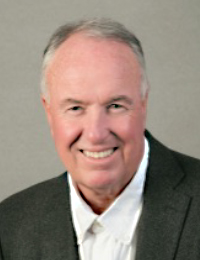
Ian’s general interests are in improving the profitability of ruminant production. He is Managing Director of Scibus, a company that conducts research and consults to dairy and beef producers, within and outside of Australia. He is an adjunct Professor at the University of Sydney and has more than 200 published works and more than 12,000 citations. Many of these publications relate to reproductive physiology and management including studies on the metabolic requirements of the ovary. He has worked on metabolic disease of cattle, including reproductive failure, as a primary focus with a view to understanding and moderating factors that reduce survival of the high producing dairy cow.
•Koumei Shirasuna (Tokyo University of Agriculture, Japan)
“The role of inflammation in the aging of the reproductive system of dairy cows”
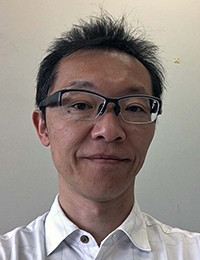
Koumei Shirasuna, PhD, is a Professor at Tokyo University of Agriculture in Kanagawa, Japan.
His research focuses on bovine reproductive biology, with particular emphasis on the infertility such as repeat breeder cows, inflammation, and senescence.
•Teresa Mogas (Universitat Autònoma de Barcelona, Spain)
“Optimizing vitrification protocols for bovine oocytes and in vitro-produced embryos through mathematical modeling”
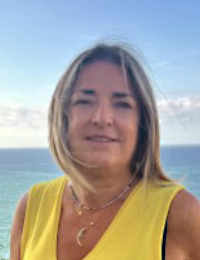
Teresa Mogas, DVM, PhD, is a Professor in the Department of Animal Medicine and Surgery at the Autonomous University of Barcelona, Spain. Her research focuses on reproductive biotechnologies in mammals, particularly in vitro embryo production, and cryopreservation of oocytes, sperm, and embryos. Over the past two decades, her group has worked on improving vitrification and warming protocols for oocytes and in vitro produced embryos through approaches such as mathematical modeling and cellular modification.
•Keisuke Edashige (Kochi University, Japan)
“Trials to improve the survival of vitrified pig oocytes -the mechanism by which pig oocytes are damaged by low- and high-temperatures during cryopreservation”
Keisuke Edashige, PhD is a Professor of Laboratory of Animal Science at College of Agriculture and Marine Science, Kochi University, Japan. His research focuses on channels involved in cryobiological properties of oocytes and embryos, including the permeability of the plasma membrane to water and cryoprotectants and the sensitivity to warmth and coldness.
•Kazutsugu Matsukawa (Kochi University, Japan)
“Preservation of bovine genetic resources by freeze-drying of sperm and somatic cells”
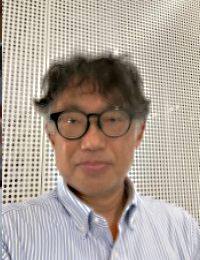
Kazutsugu Matsukawa, PhD, is an Associate Professor in the Faculty of Agriculture and Marine Science, Kochi University, Japan.
He is interested in the conservation of mammalian genetic resources and will present on the preservation and regeneration of freeze-dried somatic cells and sperm using cattle as a model.
•Pasqualino Loi (University of Teramo, Italy)
“Preservation of ovine genetic resources by vacuum-drying of sperm”
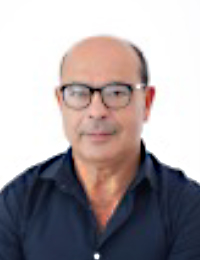
Pasqualino Loi, DVM, PhD, is a full professor of Animal Physiology at the Department of Veterinary Medicine at the University of Teramo in Italy. He is internationally recognized for his work on somatic cell nuclear transfer and nuclear reprogramming in farm animals, and lately, for his work on the use of dry spermatozoa for embryo production in sheep, a topic that will be covered by his talk at the ICAR meeting.
•Osvaldo Bogado Pascotini (UCD, Ireland)
“The blood-uterine-ovarian communication axis in dairy cows with uterine disease”
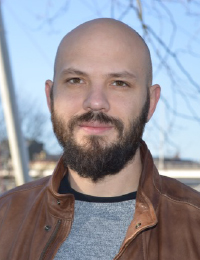
Osvaldo Bogado Pascottini, DVM, PhD, Dipl. ACT, is an Ad Astra Assistant Professor at the School of Veterinary Medicine, University College Dublin (Ireland). His research focuses on both practical and fundamental approaches to studying the genesis, diagnosis, and treatment development of uterine diseases in dairy cows.
•Klibs Galvao (University of Florida, USA)
“Envisioning metritis and therapeutic strategies in dairy cows through multiOmics lens”
•Fumie Magata (Obihiro University of Agr & Vet Med, Japan)
“The impact of uterine health on oocyte/follicle quality and embryo development”
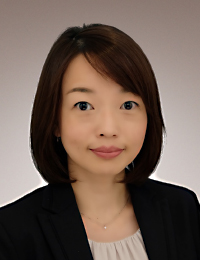
Fumie Magata, DVM, PhD, is an Associate Professor in the Research Center for Global Agromedicine, Obihiro University of Agriculture and Veterinary Medicine, Japan. Her research focuses on the mechanisms of ovarian dysfunction caused by uterine inflammation in dairy cows, and the paternal and maternal factors affecting the development of bovine in vitro-produced embryos.
•Daniel J Mathew (University of Tennessee, USA)
“The in vitro produced conceptus: A tightrope between uterine health and disease”
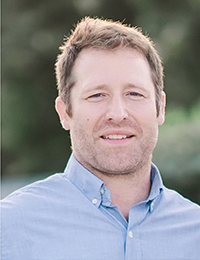
Dr. Daniel Mathew, Ph.D., is an Associate Professor in the Department of Animal Science at the University of Tennessee, Knoxville, USA. His current research focuses on conceptus-uterine interactions in cattle with an emphasis on in vitro produced embryos and technologies aimed at improving embryo and endometrial health.
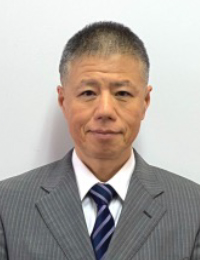
Yuji Hirao, PhD, is a senior scientist in the Division of Dairy Cattle
Feeding and Breeding Research, Institute of Livestock and Grassland Science,
NARO, Tsukuba, Ibaraki, Japan. His research focuses on the growth and
maturation of mammalian oocytes under in vitro culture conditions.
•Evelyn Telfer (University of Edinburgh, UK) and Kenichiro Sakaguchi (Gifu University, Japan)
“Approaches to Complete In Vitro Development of Bovine and Ovine Oocytes”
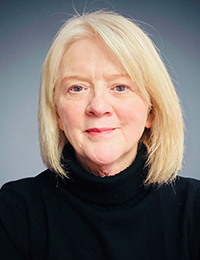
Professor Evelyn Telfer holds a chair in Reproductive Biology at the University of Edinburgh where she heads a research group in Ovarian Development. Her group has developed? culture systems to support oocyte development from immature stages in domestic species (sheep and cow) and human? in vitro. Evelyn has received several awards including the Society of Reproduction and Fertility’s most prestigious award, The Marshall Medal. Evelyn was elected as a Fellow of the Royal Society of Edinburgh and appointed Commander of the Order of the British Empire (CBE) in the Queen’s Birthday Honours 2021 for services to reproductive biology.
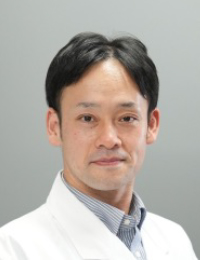
Kenichiro Sakaguchi, DVM, PhD, is currently an Associate Professor at the Joint Department of Veterinary Medicine, Faculty of Applied Biological Sciences & Center for One Medicine Innovative Translational Research, Institute for Advanced Study, Gifu University. His research covers bovine follicular development and assisted reproductive technologies especially in vivo and in vitro embryo production, and in vitro growth culture of immature oocytes.
•Yukiko Yamazaki (Univ. of Hawaii School of Medicine, Honolulu, USA)
“RGD peptide promotes follicle growth through integrins ⍺vβ3/⍺vβ5 in three-dimensional ovarian tissue culture”
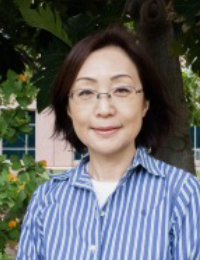
Yukiko Yamazaki, DVM, PhD, is an Associate Professor in the Yanagimachi Institute for Biogenesis Research, Department of Anatomy, Biochemistry and Physiology, John A. Burns School of Medicine, University of Hawaii at Manoa. She studies the effects of bioactive factors on follicle development using a three-dimensional culture model.
•Hong-Thuy Bui (International University, Ho Chi Minh City, Viet Nam)
“In vitro growth of porcine preantral follicles using three-dimensional culture systems”

Hong-Thuy Bui, DVM, PhD, is an Associate Professor in the Department of Biotechnology at the School of Biotechnology, International University, Vietnam National University-Ho Chi Minh City, Vietnam. Her research focuses on oocyte growth and maturation, embryology, germline stem cells, embryonic stem cells, and epigenetic regulation in mammals.
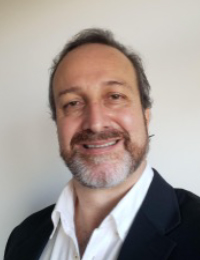
Marcelo M. Seneda, DVM, MSc, PhD, is a Professor of Animal Reproduction in the Veterinary Medicine program at the University of Londrina, Brazil. His research focuses on reproductive biotechnology, with particular interest in embryo production, timed artificial insemination, folliculogenesis, and reproductive physiology.
•Guilherme Pugliesi (University of São Paulo, Brazil)
“Timed artificial insemination combined with early resynchronization and its effects on reproductive efficiency in beef cattle”
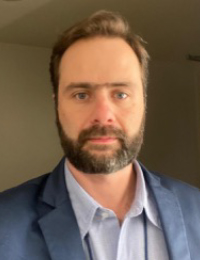
Guilherme Pugliesi, DVM, PhD, is an Associate Professor in the Department of Animal Reproduction at the School of Veterinary Medicine and Animal Science, University of São Paulo, Brazil. His research centers on reproductive physiology and management in cattle and horses, with a particular focus on early pregnancy events and diagnostic tools.
•Federico Randi (CEVA, France)
“Use of recombinant gonadotropin in artificial insemination and embryo transfer programs”
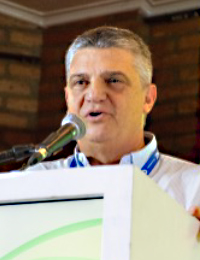
Dr. Federico Randi works as Global Technical Manager for Ruminants with Ceva Animal Health.
He obtained the Title of Doctor of Veterinary Medicine “summa cum laude” from the University of Bologna in Italy.
He moved to the University College Dublin, in Ireland for his PhD, working on a collaborative project between UCD and Teagasc under the supervision of Professor Patrick Lonergan.
His doctorate research program focused on cattle’s reproductive biology and particularly on the use of fixed-time artificial insemination in the dairy and beef cattle industry in Ireland, he worked at the development of a sensors for ear temperature monitoring as estrus detection system and researched on the impact of synchrony between maternal uterine environment and the embryonic developmental stage for the successful establishment of pregnancy in cattle. In his current role in CEVA his main responsibilities are, global technical support and training in ruminants reproduction, experimental design and data analysis for post-marketing trials in collaboration with different research institutions across the Globe, R&D department, extension and training to key accounts.
He served as Board Member in the Scientific Commission of Animal Physiology of the European Federation of Animal Science (EAAP) 2021-2024 as Industry Representative. Recently has been appointed Adjunct Professor of Large Animal Theriogenology at the School of Veterinary Medicine and Bioscience of the University of Camerino in Italy.
•Andres Cedeño (Instituto de Reproducción Animal de Ecuador, Ecuador)
“Synchronization programs for beef and dairy embryo recipients in tropical environments”
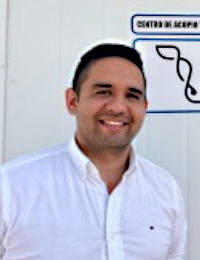
Andrés Vera Cedeño is a senior agricultural technician from the Universidad Superior Politécnica Agropecuaria de Manabí (ESPAM, Ecuador).
He graduated as a Veterinarian from the Universidad Superior Politécnica Agropecuaria de Manabí (ESPAM), Ecuador.
He holds a Master's degree (MSc) in Bovine Reproduction from the Faculty of Agricultural Sciences of the National University of Córdoba, Argentina, in conjunction with the Institute of Animal Reproduction of Córdoba (IRAC), Argentina.
He is currently in the final phase of his PhD in Science (specialization in Agrofoods) from the National University of Villa María, Argentina (UNVM).
He is the director of the Institute of Animal Reproduction of Ecuador of the El Rosado Corporation of Ecuador (the largest company in Ecuador). He teaches various postgraduate programs at the Institute of Animal Reproduction of Córdoba (IRAC), Córdoba, Argentina, and Ecuador. He lectures worldwide, and his research focuses on the management and synchronization of large-scale bovine embryo recipients under tropical conditions. He has studied the onset of estrus, GnRH treatment, pregnancy rates, pregnancy losses, and farrowing rates in timed artificial insemination and timed embryo transfer programs in Bos indicus and Bos indicus x Bos taurus cattle. He has developed modern estrus synchronization protocols for successful large-scale reproductive programs involving the use of in vivo and in vitro embryos.
•Marcelo Seneda (University of Londrina, Brazil)
“Embryo production in taurus and indicus cattle: tropical barriers”
•Sebastián Demyda Peyrás (Univ. of Cordoba, Spain)
“How important is genomics in horse reproduction: Disentangling the puzzle”
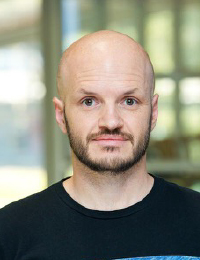
Sebastián Demyda-Peyrás, Ph.D. is a full researcher in the genetics department at the University of Córdoba, in Spain. His work is primarily focused on animal genomics with special emphasis on reproduction and horses. His interests include genomic regulation of traits, and the effect of inbreeding in production and reproduction in livestock
•Manuel Ramón Fernandez (INIA, Madrid, Spain)
“Practical applications of genomic information to improve reproductive traits in sheep”
Manuel Ramón is a scientist in the Animal Breeding group of the National Institute of Agricultural and Food Research and Technology (INIA), a National Center integrated into the Spanish Research Council (CSIC). His work is related to quantitative genetics and genetic evaluation of livestock, with an increasing focus on the use of omics data. In the last decade, his work has focused on the study of the genetic basis of thermotolerance and the improvement of climate resilience in ruminants. He has more than 15 years of experience in the scientific development of selection programs and their application in collaboration with the breeding industry.
•Marta Godia Perello (Wageningen University, Netherlands)
“Closing the gap: the impact of multi-omics in pig sperm”
Marta Gòdia, PhD, is an Assistant Professor in the group of Animal Breeding and Genomics at the Department of Animal Science, Wageningen University & Research, the Netherlands. Her research focuses on using omics data to understand how cells are regulated and how they adapt to different environments. The group is currently studying the impact of sperm quality and the environment in boar sperm transcriptomics and epigenomics.
•Jennifer Hutchison (University of Melbourne, Australia)
“Feeding the future: molecular signatures of the marsupial uterus revealed by a multi-omics approach”

Dr Jennifer Hutchison is an endometrial biologist investigating the complexities of marsupial pregnancy at the University of Melbourne. Her current research focuses on identifying the components of marsupial uterine fluid and their role in supporting embryo development, using the fat-tailed dunnart as a model species. She applies her reproductive biology expertise to the conservation and de-extinction of Australia’s highly endangered marsupials, whose embryonic development depends critically on preimplantation endometrial support.
•Takeshi Osawa (University of Miyazaki, Japan)
“Mechanism and prediction of parturition in cattle”
Takeshi Osawa, DVM, MPhil, PhD, is a Professor of Theriogenology at the University of Miyazaki, Japan. He currently serves as President of the Society for Reproduction and Development, and as a member of the Board of Governors of the World Association for Buiatrics. His research interests include abnormalities during gestation, mechanisms of parturition onset, and postpartum uterine diseases in cows.
•Pedro L. J. Monteiro (University of Florida, USA)
“Endocrine Changes and Biomarkers of Cattle Parturition”
Pedro Monteiro, DVM, PhD, is an Assistant Professor in the Department of Large Animal Clinical Sciences at the College of Veterinary Medicine, University of Florida, USA. His research focuses on reproductive physiology in livestock, with particular emphasis on the mechanisms of parturition in cattle. Dr. Monteiro also investigates the effects of stress on animal health, productivity, and reproductive efficiency.
•Monica Probo (University of Milan, Italy)
“Risk factors of calving ease and subsequent survival and fertility in dairy cows”
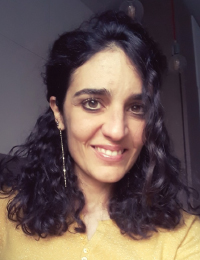
Dr. Monica Probo, DVM, PhD, is an Associate Professor at the University of Milan, Department of Veterinary Medicine and Animal Sciences, and a member of the European College of Animal Reproduction. Her research interests focus on calving management, maternal-neonatal relationships, comparative neonatology across species, and the use of alternative biological materials for hormonal investigations in the veterinary field.
•Daehyun Kim (Chonnam National University, Korea)
“Change of ruminoreticular temperature and body activity around parturition in beef cows”
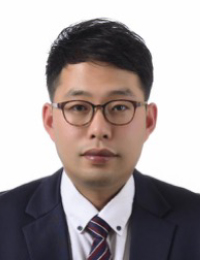
Daehyun Kim, PhD, is an Assistant Professor in the Department of Animal Science, Chonnam National University, Korea. His research centers on animal reproduction in cows (improvement of embryo production and transfer, improvement of artificial insemination conception rates, research on specific patterns such as estrus, pregnancy, and partutition using biosensors, and side effects from foot-and-mouth disease and Lumpy skin disease vaccination).
•Hiroki Hirayama (Tokyo University of Agriculture, Japan)
“Calving prediction with continuous measurement of glucose concentration in pregnant cows”
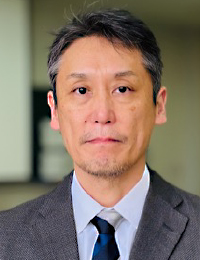
Hiroki Hirayama, PhD, is a Professor at Tokyo University of Agriculture in Hokkaido, Japan. He received his PhD in Veterinary Medicine from Hokkaido University in 2008. His research focuses on bovine reproductive biology, with particular emphasis on the parturition process, placental function, and anti-Müllerian hormone (AMH). His goal is to improve peripartum health and reproductive efficiency in cattle through integrated physiological and management approaches.
•Marcelo Demarchi Goissis (University of Sao Paulo, Brazil)
“Effects of metabolic modulations on the initial cell differentiation in bovine embryos”
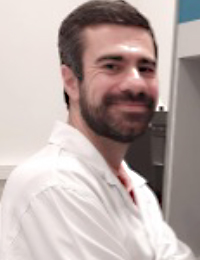
Marcelo Demarchi Goissis, DVM, MSc, PhD is an assistant professor in the Department of Animal Reproduction at the School of Veterinary Medicine and Animal Science, University of Sao Paulo, Sao Paulo, Brazil. His research interests focus on cell differentiation events in the early bovine embryo, studying the cellular, metabolic, and molecular aspects of this process.
•Marcella Pecora Milazzotto (Federal University of the ABC, Brazil)
“Metaboloepigenetics reprogramming during bovine embryo development”

Marcella Pecora Milazzotto is a Full Professor at the Federal University of ABC (UFABC), Brazil. She is a biologist specialized in Animal Reproduction, with a research focus on omics technologies and bovine embryonic development, particularly on the metabolic influence over epigenetic dynamics. Recognized with national and international awards, she has contributed significantly to advancements in reproductive biotechnology and embryo–maternal communication.
•M. Belen Rabaglino (University of Utrecht, Netherlands)
“Estimating the potential of an embryo to sustain pregnancy based on its transcriptomic profile”

M. Belen Rabaglino, DVM, MSc, PhD is an Assistant Professor at the Department of Population Health Sciences, Faculty of Veterinary Medicine, Utrecht University. Her research focuses on harnessing molecular data science as a tool to understand the regulation of pregnancy establishment and healthy foetal development following the application of assisted reproductive technologies in cattle.
•Anna Denicol (University of California – Davis, USA)
“Uncovering the timing and molecular characteristics of primordial germ cell specification and development in cattle”
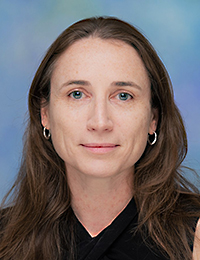
Anna Denicol earned a DVM degree at the Federal University of Rio Grande do Sul, Brazil, a Masters in Preventive Veterinary Medicine at University of California Davis, and a PhD in Developmental Biology at University of Florida. After a 2-year postdoc at Northeastern University, Anna returned to UC Davis in 2016 where she is now Associate Professor in the Department of Animal Science.
•Luis Tamassia (dsm-firmenich Switzerland)
“Integrating Nutritional and Digital Innovations: Enhancing Fertility and Reducing Carbon Footprint in Beef and Dairy Systems”
Developed his career as independent animal nutrition consultant in 1997 and in 2000 started to work for Tortuga Animal Nutrition & Health in Brazil as TechnicalManager, Sales Manager, Feedlot Manager Brazil, R&D Manager for all species on Mineral Nutrition and, after the Tortuga acquisition by DSM in 2013, kept working based on Science as Innovation & Applied Science Director for all Latin America (all species) and since 2019 is based in Kaiseraugst as Global Innovation Leader for Ruminants at dsm-firmenich, Animal Nutritional and Health Switzerland, leading the team of ruminants scientists and innovation projects targeting animal health, feed optimization, digitalization, sustainability and methane reduction supporting ruminants business, meat and milk production more profitable for farmers and sustainable.
•Chiho Kawashima (Obihiro University of Agr & Vet Med, Japan)
“Effects of feed supplementation during the dry period on postpartum resumption of ovarian function and uterine involution in dairy cows”
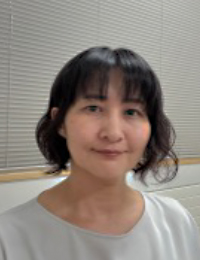
Chiho Kawashima, PhD, is a Professor at the Field Centre of Animal Science and Agriculture, Obihiro University of Agriculture and Veterinary Medicine, Japan.
Her research focuses on how maternal nutritional and metabolic status during pregnancy, particularly in late gestation, affects postpartum reproductive recovery in dairy cows and the ovarian reserve of their female offspring.
•Pietro Baruselli (University of São Paulo, Brazil)
“Role of β-Carotene and key vitamins (A+D3+E+Biotin) supplementation in enhancing fertility of grazing beef cows”
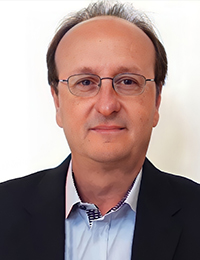
Pietro Baruselli is a Professor of Animal Reproduction at the University of São Paulo in Brazil. He holds an undergraduate degree in Veterinary Medicine (1985), a Master's (1992), and a PhD (1997) in Animal Reproduction from São Paulo University. He was president of the Brazilian Embryo Technology Society (SBTE/2012-2014), a member of the Executive Committee of the International Congress of Animal Reproduction (ICAR/2012-2022), and chair of the 45th Annual Conference of the International Embryo Technology Society (IETS) in New Orleans, USA (2019). Professor Baruselli´s research and teaching focus on control of the follicular dynamics and ovulation for self-appointed artificial insemination and embryo transfer in cattle (Bos indicus and Bos taurus) and buffalo (Bubalus bubalis). He has authored over 300 scientific publications and presented more than 700 abstracts at scientific congresses on a wide range of topics, including the physiology of reproduction, ovulation synchronization, reproductive biotechnology, and reproductive management. He has supervised 70 completed Master's and PhD candidatures and has extensive international experience.
•Angel Abuelo (Michigan State University, USA)
“The fertility formula: Linking nutritional management to reproductive outcome”
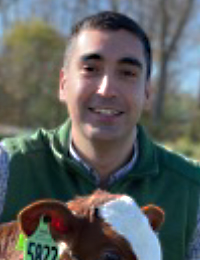
Dr. Angel Abuelo is a Red Cedar Distinguished Professor at the Michigan State University College of Veterinary Medicine. Angel is a board-certified specialist veterinarian in dairy production medicine. Dr. Abuelo’s research focuses on strategies to enhance immunity in cows and calves during transition periods and their impact on health and productivity.
•Pedro Fontes (University of Georgia, USA)
“Influence of sire overnutrition on bull fertility and offspring development in cattle”
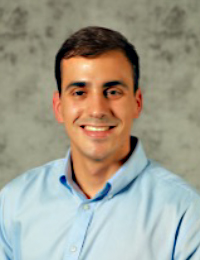
Dr. Pedro Fontes is an Associate Professor in beef cattle reproductive physiology at the University of Georgia’s Department of Animal and Dairy Science. He obtained his Doctor of Veterinary Medicine degree at Sao Paulo State University, his M.S. in Animal Science from the University of Florida, and his Ph.D. in Physiology of Reproduction from Texas A&M University. Currently, Dr. Fontes’ research and Extension program focuses on improving cattle reproductive efficiency through the improvement of assisted reproductive technologies and development of reproductive management strategies that maximize profitability in beef production systems.
•John Bromfield (University of Florida, USA)
“Maternal exposure to seminal plasma enhances offspring performance”
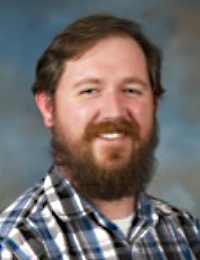
John Bromfield, PhD is an Associate Professor in the Department of Animal Sciences at the University of Florida, United States. Dr Bromfield's research focuses on the involvement of the maternal immune system in pregnancy establishment and reproductive tract disease.
•Kevin D. Sinclair (University of Nottingham, UK)
“Generational persistence of epigenetic programming following in utero exposure to a real-life mixture of environmental chemicals”
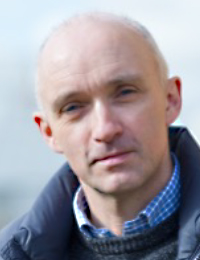
Kevin Sinclair is Professor of Developmental Biology and Head of the Division of Animal Sciences within the School of Biosciences at the University of Nottingham. He is a graduate of the Universities of Aberdeen (BSc, PhD) and Nottingham (DSc). His programme of work relates to how exposure of parents to environmental factors (e.g., diet and environmental chemicals) around the time of conception, or the use of advanced reproductive technologies, can lead to epigenetic changes during early embryogenesis with long-term consequences for offspring health and wellbeing. He works predominantly with farm animals but also with rodents and, through collaboration, undertakes studies in human populations. He is currently in receipt of funding from the BBSRC (UK), NIH (USA) and the Wellcome Trust.
Ampika Thongphakdee, DVM, PhD, is a Senior Wildlife Specialist and Chief of Wildlife Reproductive Innovation Center, Animal Conservation and Research Institute, Zoological Park Organization of Thailand under the Royal Patronage of H.M. the King. Her research focuses on ARTs for conservation, particularly in wild felids, elephants, and Eld’s deer.
•Sittat Chumsri (Rajamangala University of Technology Srivijaya, Thailand)
“Validation of AMH Gen II ELISA and Assessment of Anti-Müllerian Hormone as an Ovarian Marker in Three Wild Felid Species”
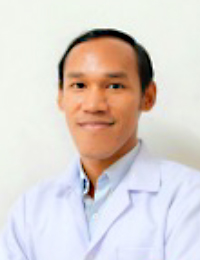
Sittat Chumsri, DVM, PhD, is a lecturer at the Faculty of Veterinary Science, Rajamangala University of Technology Srivijaya, Thailand. His research focuses on assisted reproductive technologies in domestic animals and wildlife, with particular emphasis on the use of anti-Müllerian hormone (AMH) assays to optimize breeding.
•Manita Wittayarat (Prince of Songkla University, Thailand)
“Sperm Protein Biomarkers and Fertility Preservation across Felids: Lessons from Domestic and Wild Cats”
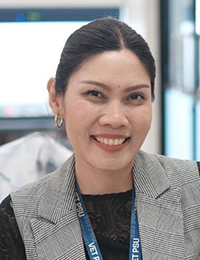
Manita Wittayarat (DVM, PhD) is an Associate Professor of Theriogenology at the Faculty of Veterinary Science, Prince of Songkla University. Her recent work emphasizes sperm protein biomarkers and their relevance to male fertility and fertility preservation strategies across felid species, integrating insights from domestic cats to support reproductive conservation in wild felids.
•Yojiro Yanagawa (Hokkaido University, Japan)
“Assisted reproductive technologies in Tsushima leopard cat: Contribution to program for the conservation and rehabilitation of endangered species”
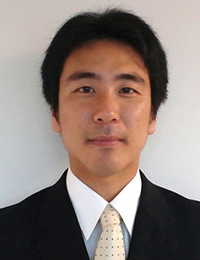
Yojiro Yanagawa, DVM, PhD, associate professor at the Faculty of Veterinary Medicine, Hokkaido University, Japan. His work mainly on zoo animals to know their reproductive physiology and characteristics. He is also actively working on assisted reproductive technology in various species for their captive breeding to contribute ex situ conservation.
•Pierre Comizzoli (Smithsonian’s National Zoo and Conservation Biology Institute, USA)
“Future trend of assisted reproductive technologies for saving wild Felids”
Pierre Comizzoli, DVM, PhD, is a Senior Program Officer for Science at the Smithsonian Institution in Washington DC, USA. His research centers on reproduction, fertility preservation, assisted reproduction, and biobanking of a wide range of wild animal species in different countries.