Program at a Glance
Program with Speaker Photos and Brief Biographies ▼
23-June (Tue) Day-2
Symposium 1-4: 13:30 – 16:00 (parallel) ; 3 invited talks & 2 short talks from abstracts
-
Mechanism for synthesis and action of seminal plasma, which will lead to develop the reproductive technology: (Tokachi Plaza)
Chair Sarah Robertson (The University of Adelaide, Australia)
- Sarah Robertson (The University of Adelaide, Australia)Seminal fluid effects on female receptivity and pregnancy outcome
- John Schjenken (The University of Newcastle, Australia)Exploring the influence of environmental exposures on seminal plasma composition
- Takahiro Yamanaka (Hiroshima University, Japan)Metabolic changes in seminal vesicle alter plasma components to enhance sperm fertility
Short Oral
- Guillaume Tsikis (France) Spermatozoa with low resistance to hypotonic stress exhibit increased levels of fibronectin and seminal plasma proteins (A1-3)
- Saurabh Tiwari (Canada) Bovine sperm synthesizes proteins during capacitation (A2-1)
-
Epigenetics in pathophysiology and disease: (Hotel Nikko Northland-A)
Chair Graça Ferreira Dias (University of Lisbon, Portugal)
- Hélène Kiefer (INRAE, France)Sperm epigenetics and male fertility
- Anna Szóstek-Mioduchowska (Institute of Animal Reproduction and Food Research, Poland)Exploring the role of epigenetic and miRNA in the processes related to the development of endometrosis in mare
- Bárbara Borges (Universidade Federal do Pará, Brazil)Epigenetics on dog mammary cancer
Short Oral
- Muhammad Ans Afzal (USA) Endometrial methylome analysis demonstrates conserved global DNA methylation in dairy cows following early postpartum metritis (A2-55)
- Jannatul Ferdous Jharna (Japan) Ribosome Biogenesis Inhibition During Preimplantation as a Potential Etiological Insult for Metabolic Syndrome (A2-54)
-
Environmental stressors and their impact on animal reproduction: (Hotel Nikko Northland-B)
Chair Zvi Roth (The Hebrew University of Jerusalem, Israel) and Peter J Hansen (University of Florida, USA)
- Aileen F. Keating (Iowa State University, USA)Effect of heat stress on reproduction in the pig
- Peter J Hansen (University of Florida, USA)Genetic control of thermotolerance in cattle: implications for reproductive physiology
- Bradford William Daigneault (University of Florida, USA)Environmental and External Stressors of Postejaculatory Sperm Function
Short Oral
- Cecilia C Rocha (USA) Introducing slick mutation in American herds using artificial insemination with gene edited semen (B2-29)
- Kotaro Miki (Japan) R Association of thermal stress with oxidative status and extracellular vesicle-derived microRNAs in follicular fluid and oocyte developmental competence of beef cattle (B2-31)
-
Latest advances in the controlled breeding of small ruminants: (Hotel Nikko Northland-C)
Chair Simon de Graaf (University of Sydney, Australia)
- Clara Gonzalez (STgenetics, USA)Sexed semen: current state-of-the-art in small ruminants
- Xavier Druart (French National Institute for Agriculture, Food, and Environment, France)Towards cervical AI of sheep with stored semen: latest insights and future developments
- Jessica Rickard (University of Sydney, Australia)Maximising the success of laparoscopic artificial insemination in small ruminants
Short Oral
- Jakub M Bartlewski (Canada) E Effects of a GnRH antagonist on antral follicular development and ovarian hemodynamics in cycling ewes (B1-32)
- J Jeferson F Fonseca (Brazil) Use of recombinant gonadotrophins in superovulation and in vivo production of goat embryos (B1-36)
“Tasting Hokkaido foods, wine and beer !” (Tokachi Plaza Garden) 18:30 – 21:00
24-June (Wed) Day-3
Free for the afternoon (Excursions & Activities)
25-June (Thu) Day-4
Symposium 5-8: 13:30 – 16:00 (parallel); 3 invited talks & 2 short talks from abstracts
-
Bull fertility: paternal factors regulating pregnancy establishment in cattle: (Tokachi Plaza)
Chair Sean Fair (University of Limerick, Ireland) and Giuliana Ferronato (Spanish National Institute for Agricultural and Food Research and Technology, Spain)
- Sean Fair (University of Limerick, Ireland) Sperm in the uterus: The role of sperm subpopulations in regulating fertility
- Akio Miyamoto (Obihiro University of Agriculture and Veterinary Medicine, Japan)Innate immune system for a crosstalk of sperm-egg-uterine epithelium toward successful pregnancy
- Sofia Ortega (University of Wisconsin–Madison, USA)From sperm to pregnancy: insights into paternal regulation of fertility divergence in cattle
Short Oral
- Kanon Akiyama (Japan) E Dynamic Remodeling of The Blood-Testis Barrier Mediated By Germ Cell Glycolipids During Meiotic Germ Cell Transmigration (A1-29)
- J Larissa Stábile (Brazil) R Effect of The Interaction Between Bovine Spermatozoa and Oviductal Spheroids – Preliminary Results (A3-23)
-
From egg to newborn, pathways to healthy canine pregnancy: (Hotel Nikko Northland-A)
Chair Mariusz Kowalewski (University of Zurich, Switzerland)
- Nucharin Songsasenn (Smithsonian National Zoo and Conservation Biology Institute, USA)Development and maturation of canine oocytes: Roles of ovarian and oviductal environment in the acquisition of meiotic competence
- Mariusz Kowalewski (University of Zurich, Switzerland)Understanding canine pregnancy: New insights into morphofunctional dynamics during establishment and maintenance
- Orsolya Balogh (Virginia-Maryland College of Veterinary Medicine, USA)When physiology fails: Endocrine and clinical perspectives on complicated pregnancy outcomes in dogs
Short Oral
- Jimena Yapura (New Zealand) Ovulatory response to recombinant β-Nerve Growth Factor in domestic cats (C1-30)
- Ali A Fouladi-Nashta (UK) Co-culture of dog oocytes with bovine - a novel IVM culture to improve oocyte developmental competence (C1-32)
- Kudzaishe Adwell Mushati (Switzerland) Mapping the Cellular Landscape of the Canine Placenta: Single-Nucleus Profiling Reveals Mechanisms Governing Feto-Maternal Exchange and Placental Adaptation During Maintenance and Termination of Pregnancy (C2-35)
-
Neural and hormonal regulation of reproduction: From basic research to application in animal production:(Hotel Nikko Northland-B)
Chair Satoshi Ohkura (Nagoya University, Japan)
- Satoshi Ohkura (Nagoya University, Japan)Neuroendocrine mechanisms leading to novel control techniques of reproduction in livestock
- Casey Nestor (Colorado State University, USA)Neuronal networks function to link reproduction and energy homeostasis in farm animals
- Agnieszka Rak (Jagiellonian University, Poland)Adipokines as a new regulator of the hypothalamus-pituitary-ovary axis in domestic animals
Short Oral
- Shunsuke Seki (Japan) Estrogen-dependent activation of AVPV kisspeptin neurons and ovulation requires DDX5 in female rats (C2-19)
- Ai Oguchi (Japan) Construction of bovine anterior pituitary organoids for the elucidation of the gonodotrophs supplying mechanism (C1-15)
-
Effects of environmental toxins on follicle function: (Hotel Nikko Northland-C)
Chair Christopher Price (University of Montreal, Canada)
- Shuo Xiao (Rutgers University, USA)Ovarian disrupting effects of harmful algal bloom toxins
- Sebastien Elis (French National Institute for Agriculture, Food, and Environment, France)Bisphenols and follicle function in farm species
Short Oral
- Serena Barnes (Australia) The effects of lipopolysaccharide exposure on aggresome formation in bovine oocytes during in vitro maturation (A3-51)
- Leonardo Andrade (Brazil) Negative impact on bovine ovarian cell function and embryo development following in vitro exposure to pyrrolizidine alkaloids from Senecio spp (A3-52)
- Kayla M Komondor (USA) Understanding a complex exposome: Pregestational BPA exposure in an IVF mouse model (A1-58)
Gala Dinner (Hokkaido Hotel) 19:00 – 21:30
26-June (Fri) Day-5
Symposium 9-12: 13:30 – 16:00 (parallel) ; 3 invited talks & 2 short talks from abstracts
-
Bovine placentation: Update on old and new approaches and models: (Tokachi Plaza)
Chair Christiane Pfarrer (University of Veterinary Medicine Hanover, Germany)
- Kshitiz (University of Connecticut Health Center, USA)How cows solved the problem of cancer malignancy
- Toshihiro Sakurai (Ohu University, Japan)Update on endogenous retroviruses in cattle placenta
- Thomas Spencer (University of Missouri, USA)Deconstructing bovine placentation: insights from in vivo single cell analyses and in vitro culture
- Christiane Pfarrer (University of Veterinary Medicine Hanover, Germany)New perspectives for the ultrastructural analysis of the bovine fetomaternal placentomal interface
Short Oral
- Dimitrios Rizos (Spain) Conceptus−derived signals regulate microRNA cargo of bovine uterine extracellular vesicles in a size−dependent manner (A2-44)
-
Manipulation of germ cells: Toward efficient production of food animals: (Hotel Nikko Northland-A)
Chair Goro Yoshizaki (Tokyo University of Marine Science and Technology, Japan)
- Goro Yoshizaki (Tokyo University of Marine Science and Technology, Japan)Germ cell manipulation in farmed fishes
- Mike McGrew (The University of Edinburgh, United Kingdom)Manipulating reproductive germ cells from poultry and other bird species
- Ina Dobrinski (University of Calgary, Canada)Germline gene editing in large animals
Short Oral
- Yoshiaki Nakamura (Japan) Efficient transfection into chicken primordial germ cells through optimization of electroporation conditions (A1-106)
- Kennosuke Ichikawa (UK) Integrin signaling regulates undifferentiated states of chicken PGCs in vitro (A2-100)
-
Promising directions for pig reproduction research: (Hotel Nikko Northland-B)
Chair Pascal Mermillod (French National Institute for Agriculture, Food, and Environment, France)
- Marc Yeste (University of Girona, Spain)Perspectives in porcine semen conservation (liquid and frozen)
- Marie Saint Dizier (French National Institute for Agriculture, Food, and Environment, France)Sperm-female interactions in the pig oviduct: a key for insemination success?
- Cristina Cuello (University of Murcia, Spain)Promising research directions for pig embryo production, freezing and transfer
Short Oral
- Unchean Yamsrikaew (Thailand) Effect of Boar-Derived Small Extracellular Vesicles on Sperm Quality During Long-Term Liquid Storage at 17ºC (B1-41)
- Michiko Nakai (Japan) Study of the mechanism of pig oocyte activation using phospholipase Cζ-deficient boar sperm (B1-45)
-
Buffalo reproduction: (Hotel Nikko Northland-C)
Chair Bianca Gasparrini (University of Naples Federico II, Italy) and Pietro Baruselli (University of São Paulo, Brazil)
- Bianca Gasparrini (University of Naples Federico II, Italy)Factors affecting buffalo oocyte competence and embryo production
- Naresh Selokar (ICAR-Central Institute for Research on Buffaloes, India)New reproductive biotechnologies in buffaloe
Short Oral
- Viviane Maria Codognoto (Brazil) Plasmatic proteome as diagnostic tool for early pregnancy in buffaloes (A1-87)
- Manoj Kumar Singh (India) Reproductive potency of cloned riverine Buffalo bulls: Semen quality and fertility (A3-78)
- Annalisa Rizzo (Italy) Effects of antioxidant supplementation at calving in Italian mediterranean dairy buffaloes: Postpartum outcomes (A1-85)
- Nelcio Carvalho and Pietro Baruselli (Brazil) Exposure of seasonally anestrous buffaloes to injectable progesterone prior to the ovsynch protocol (A2-85)
Program with Speaker Photos and Brief Biographies
Program at a Glance ▲
23-June (Tue) Day-2
Symposium 1-4: 13:30 – 16:00 (parallel) ; 3 invited talks & 2 short talks from abstracts
•Sarah Robertson (The University of Adelaide, Australia)
“Seminal fluid effects on female receptivity and pregnancy outcome”

Sarah Robertson, AO PhD FAA FAHMS is Professor of Reproductive Immunology and NHMRC Investigator Fellow in the Robinson Research Institute, University of Adelaide. Her research focus is the female immune response to seminal fluid, its significance for conception and pregnancy, and consequences for reproductive success and offspring health.
•John Schjenken (The University of Newcastle, Australia)
“Exploring the influence of environmental exposures on seminal plasma composition”
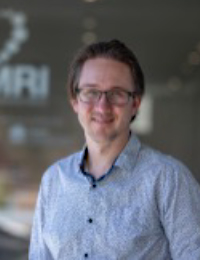
John Schjenken is a senior lecturer and director of the Hunter Medical Research Institute Infertility and Reproduction Research Program (Infertility and Reproduction Research Program website) based at the University of Newcastle who teaches into the discipline of biological sciences program. His research program aims to advance knowledge of the male contribution at conception with emphasis on investigation the composition of seminal plasma and the function of signalling molecules present in this fluid. To achieve this, his group uses multi-omic approaches, combining transcriptomics, proteomics and bioinformatics.
•Takahiro Yamanaka (Hiroshima University, Japan)
“Metabolic changes in seminal vesicle alter plasma components to enhance sperm fertility”
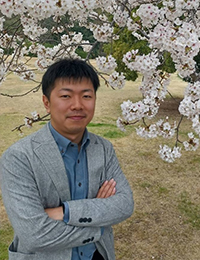
Takahiro Yamanaka, PhD, is a JSPS Research Fellow (PD) and Specially Appointed Assistant Professor at Hiroshima University, Japan. His research focuses on the mechanisms by which seminal vesicle metabolism regulates seminal plasma composition, influencing sperm motility and fertility. Through this work, he aims to further our understanding of male reproductive biology and technologies.

Graça Ferreira-Dias, DVM, MSc, PhD, is a Full Professor in the Department of
Morphology and Function at the Faculty of Veterinary Medicine, University of
Lisbon, Lisbon, Portugal. Her most recent research focuses on
the epigenetic in the equine endometrium, and their implications on the
pathophysiology of fibrosis in endometrosis.
•Hélène Kiefer (INRAE, France)
“Sperm epigenetics and male fertility”

Hélène Kiefer, PhD, is a researcher in the "Biology of Reproduction, Environment, Epigenetics and Development" research unit at INRAE, Jouy-en-Josas, France. Her research focuses on DNA methylation in cattle and its role in the elaboration of phenotypes. In particular, she is investigating the links between sperm DNA methylation and male fertility and offspring phenotype.
•Anna Szóstek-Mioduchowska (Institute of Animal Reproduction and Food Research, Poland)
“Exploring the role of epigenetic and miRNA in the processes related to the development of endometrosis in mare”
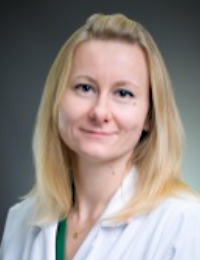
Anna Szóstek-Mioduchowska, PhD, is an Associate Professor, the Head of Team of Molecular Basis of Equine Reproduction in Institute of Animal Reproduction and Food Research, Polish Academy of Sciences in Olsztyn in Poland. Her research focuses on reproductive physiology in horses, particularly on molecular mechanisms regulating endometrial fibrosis.
•Bárbara Borges (Universidade Federal do Pará, Brazil)
“Epigenetics on dog mammary cancer”

Barbara do Nascimento Borges, Biologist, PhD, is an Associate Professor at the Biological Institute of the Federal University of Pará in Belém, Pará, Brazil. She has experience in Human and Comparative Oncology, and her research focuses mainly on epigenetic mechanisms, especially DNA methylation, miRNAs, and gene expression in human and canine mammary carcinogenesis.

Dr. Zvi Roth is a Full professor in Reproductive Physiology in the Department of Animal Sciences, Faculty of Agriculture at the Hebrew University of Jerusalem. His research focuses on mechanism by which various stresses affect reproductive performance in cows and bulls. Stressors includes thermal stress, oxidative stress, environmental toxicants and endocrine disruptors. His study involves in-vivo, in-vitro and ex-vivo model to explore the cellular and molecular mechanisms that underlying stress-induced disruptions in oocytes, sperm and pre-implantations embryos.
•Aileen F. Keating (Iowa State University, USA)
“Effect of heat stress on reproduction in the pig”

Dr. Keating is Professor and Tyrone D. Artz, M.D. Chair for Faculty Excellence in Animal Science in the Department of Animal Science at Iowa State University. Her research program seeks to understand and minimize female reproductive dysfunction resultant from environmental exposures and investigates: 1) mechanisms by which environmental exposures compromise ovarian function; 2) the ovarian protective response to environmental exposures; and 3) ovarian biotransformation processes that contribute to ovarian toxicity.
•Peter J Hansen (University of Florida, USA)
“Genetic control of thermotolerance in cattle: implications for reproductive physiology”
•Bradford William Daigneault (University of Florida, USA)
“Environmental and External Stressors of Postejaculatory Sperm Function”
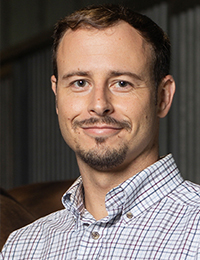
Brad Daigneault is an Assistant Professor in the Department of Animal Sciences at the University of Florida. His research program is advancing understanding of environmental stressors on postejaculatory sperm function and impacts on embryo development. Current research in the Daigneault laboratory reveals novel alterations to the mature sperm methylome and mechanisms of epigenetic modifications to postejaculatory sperm and chromatin integrity. Optimization of reproductive biotechnologies includes adaptation of high-resolution sperm mitochondrial respirometry assays for modeling bull fertility and optimization of stallion sperm protocols for successful equine IVF. Embryology studies focus on identification of targets that are responsive to environmental stimuli as therapeutic and pharmacologic candidates to mitigate early embryo loss using nano-particle mediated delivery of constructs.
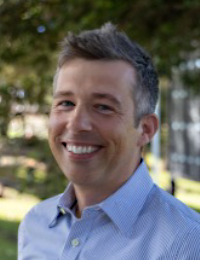
Simon de Graaf, PhD FRSN FSRB, is Professor of Animal Reproduction at The University of Sydney, Australia, Director of The Reproduction Company and Secretary General of ICAR. His research focuses on the controlled breeding of sheep, application of artificial intelligence to reproductive diagnostics, and the interaction between sperm, seminal plasma and the female reproductive tract. His commercial work centres on the independent analysis of livestock semen and the training of artificial breeding industry stakeholders in semen processing QA and QC.
•Clara Gonzalez (STgenetics, USA)
“Sexed semen: current state-of-the-art in small ruminants”

Dr. Clara González-Marín holds a Ph.D. in Reproductive Physiology and Cellular Biology from Universidad Autónoma of Madrid and an M.S. in Reproductive Biology from Universidad Complutense of Madrid (Spain). She joined STgenetics in 2010 and currently leads the Research and Development in Male Reproduction, with a focus on sperm sex-sorting and reproductive biotechnologies. With over 15 years of experience in animal reproduction, Dr. González-Marín has led international research initiatives to improve sex-sorted sperm quality, fertility outcomes, and the efficiency of reproductive technologies across multiple species. She collaborates widely with global institutions to advance sustainable livestock production.
•Xavier Druart (French National Institute for Agriculture, Food, and Environment, France)
“Towards cervical AI of sheep with stored semen: latest insights and future developments”
•Jessica Rickard (University of Sydney, Australia)
“Maximising the success of laparoscopic artificial insemination in small ruminants”

Dr Jessica Rickard, PhD is a Senior lecturer in Livestock Production and Reproduction within the School of Life and Environmental Sciences, Faculty of Science at The University of Sydney, Australia. Her research focuses on understanding the interaction between seminal plasma, spermatozoa and the female reproductive tract, to improve the success of artificial reproductive technologies with cryopreserved sperm in sheep. She is also working to adapt these techniques for use in wildlife conservation programs.
“Tasting Hokkaido foods, wine and beer !” (Tokachi Plaza Garden) 18:30 – 21:00
24-June (Wed) Day-3
Free for the afternoon (Excursions & Activities)
25-June (Thu) Day-4
Symposium 5-8: 13:30 – 16:00 (parallel); 3 invited talks & 2 short talks from abstracts
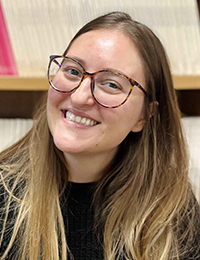
Giuliana de Ávila Ferronato, MSc, is a PhD candidate funded by the Marie Skłodowska-Curie Actions (MSCA) within the Bullnet network. She is based at the Spanish National Institute for Agricultural and Food Research and Technology (INIA-CSIC), under the supervision of Dr. Beatriz Fernández-Fuertes, and at the University of Limerick, under the supervision of Prof. Dr. Sean Fair. Her doctoral research focuses on how paternal environmental factors influence sperm maturation in the epididymis and subsequently affect embryo development.
•Sean Fair (University of Limerick, Ireland)
“Sperm in the uterus: The role of sperm subpopulations in regulating fertility”
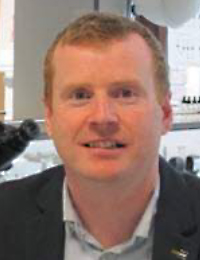
Sean Fair is Professor of Animal Reproduction and Head of the Department of Biological Sciences at the University of Limerick, Ireland. His research group uses physiological and molecular approaches to study the complex and multidimensional etiology of subfertility in farm animals with a specific focus on how sperm interact with the female reproductive tract and its secretions using both in vivo and in vitro models.
•Akio Miyamoto (Obihiro University of Agriculture and Veterinary Medicine, Japan)
“Innate immune system for a crosstalk of sperm-egg-uterine epithelium toward successful pregnancy”
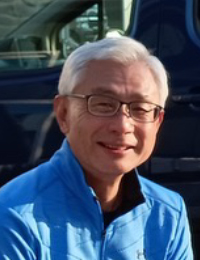
Akio is a professor of Global Agromedicine Research Center (GAMRC) of Obihiro University of Agriculture and Veterinary Medicine, Japan. He is currently interested in the immune-crosstalk of sperm and embryos with uterine and oviduct. His team recently found that the innate immune receptor, TLR2, is involved in such a communication for proceeding on the path to fertilization and embryo receptivity in the cow. Akio is a true beer lover, those from Munich, Ireland, Japan and many other countries !
•Sofia Ortega (University of Wisconsin–Madison, USA)
“From sperm to pregnancy: insights into paternal regulation of fertility divergence in cattle”

Dr. M. Sofia Ortega is an Assistant Professor in the Department of Animal and Dairy Sciences at the University of Wisconsin-Madison, USA; her program studies the genetic, molecular, and physiological factors that influence early embryonic development and pregnancy in dairy cattle.
•Nucharin Songsasenn (Smithsonian National Zoo and Conservation Biology Institute, USA)
“Development and maturation of canine oocytes: Roles of ovarian and oviductal environment in the acquisition of meiotic competence”
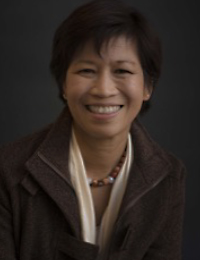
Nucharin Songsasen, DVM, PhD is the Head of the Center for Species Survival, Smithsonian's National Zoological Park and Conservation Biology Institute. Her research focus on understanding reproductive biology and developing reproductive technologies in domestic and wild carnivores.
•Mariusz Kowalewski (University of Zurich, Switzerland)
“Understanding canine pregnancy: New insights into morphofunctional dynamics during establishment and maintenance”
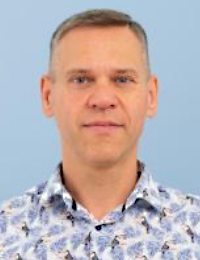
Mariusz P. Kowalewski, PhD, is a Professor of Veterinary Anatomy, Histology, and Embryology, and Head of the Institute of Veterinary Anatomy at the Vetsuisse Faculty, University of Zurich, Switzerland. His research group of Reproductive Endocrinology investigates endocrine regulations of canine placental and luteal function, conceptus-maternal communication and canine-specific mechanisms of decidualization, and the mechanisms of hypoxia and HIF1α-mediated steroidogenesis.
•Orsolya Balogh (Virginia-Maryland College of Veterinary Medicine, USA)
“When physiology fails: Endocrine and clinical perspectives on complicated pregnancy outcomes in dogs”
Orsolya Balogh, DVM, PhD, DACT is an Associate Professor and the JoAnne S. O’Brien Endowed Professor of Theriogenology in the Department of Small Animal Clinical Sciences, Virginia-Maryland College of Veterinary Medicine, USA. Her research centers around the physiology of pregnancy and parturition in dogs, focusing on maternal obesity and the molecular aspects of uterine inertia.
•Satoshi Ohkura (Nagoya University, Japan)
“Neuroendocrine mechanisms leading to novel control techniques of reproduction in livestock”
Satoshi Ohkura, Ph.D., is a Professor at the Department of Animal Sciences, Graduate School of Bioagricultural Sciences, Nagoya University, Japan. His current research focuses on the neuroendocrine mechanism underlying the regulation of the pulsatile release of gonadotropin-releasing hormone (GnRH) in ruminant species, especially in goats.
•Casey Nestor (Colorado State University, USA)
“Neuronal networks function to link reproduction and energy homeostasis in farm animals”
Casey Nestor, PhD, is an Associate Professor in the Department of Biomedical Sciences at Colorado State University in Fort Collins Colorado USA. His research examines central mechanisms whereby undernutrition suppresses the reproductive axis using sheep as a neuroendocrine model. His laboratory team routinely employs neuroanatomical approaches such as RNAscope and immunohistochemistry together with central drug delivery and frequent blood collection to assess the role of various components that regulate GnRH/LH secretion.
•Agnieszka Rak (Jagiellonian University, Poland)
“Adipokines as a new regulator of the hypothalamus-pituitary-ovary axis in domestic animals”

Agnieszka Rak, PhD, is a Professor in the Laboratory of Physiology and Toxicology of Reproduction in Institute of Zoology and Biomedical Research at the Faculty of Biology, Jagiellonian University in Kraków, Poland. Her research centers on molecular regulation of female reproduction at hypothalamus - pituitary - ovary levels in mammals, with a particular focus on role of adipokines.
Christopher Price, PhD, is a Professor in the Faculty of Veterinary Medicine at the University of Montreal, Québec, Canada. His research focuses on ovarian physiology, with a keen interest in environmental and endocrine modulators of follicle development in dairy cattle.
•Shuo Xiao (Rutgers University, USA)
“Ovarian disrupting effects of harmful algal bloom toxins”
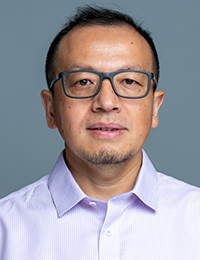
Dr. Shuo Xiao is an Associate Professor from the Department of Pharmacology and Toxicology at Rutgers University School of Pharmacy. His research focuses on women’s reproductive health, including (1) ovarian impacts of environmental contaminants and clinical drugs; (2) non-hormonal female contraception and ovarian protectant development, and (3) engineering female reproductive organoids and organ-on-chip. His projects are funded by NICHD, NIEHS, DOD, NSF, and the Gates Foundation. Dr. Xiao has published 80 peer-reviewed papers, including Nature Communications, PNAS, Environmental Health Perspectives, Biology of Reproduction, and Toxicological Sciences. Dr. Xiao now serves as the President of the Middle Atlantic Reproduction & Teratology Association (MARTA), Associate Editor of Biology of Reproduction (BOR) and Toxicological Sciences, and Chair of the Basic Science Committee of the Oncofertility Consortium.
•Sebastien Elis (French National Institute for Agriculture, Food, and Environment, France)
“Bisphenols and follicle function in farm species”
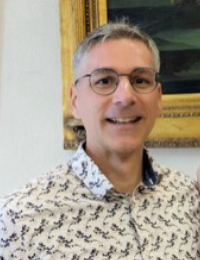
Sebastien Elis defended his PhD in 2007 on oocyte competence in hens at INRAE, France. He then worked as a postdoctoral fellow at the Mount Sinai School of Medicine in New York, USA, in the field of endocrinology, investigating the effects of tissue-derived versus systemic IGF-1 on bone growth. In 2009, he was recruited by INRAE, where he studied the interactions between metabolism and reproduction in ruminants. He is now particularly involved in research on the effects of endocrine disruptors on female fertility and ovarian function.
26-June (Fri) Day-5
Symposium 9-12: 13:30 – 16:00 (parallel) ; 3 invited talks & 2 short talks from abstracts
•Kshitiz (University of Connecticut Health Center, USA)
“How cows solved the problem of cancer malignancy”
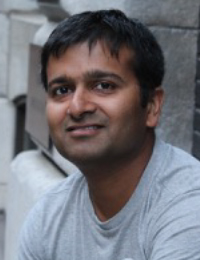
Kshitiz is an Associate Professor at the University of Connecticut Health, USA, and Director of the Evolutionary Medicine Laboratory. Kshitiz earned his B.Tech. In Computer Science at the Indian Institute of Technology, Bombay, and his PhD in Biomedical Engineering at the Johns Hopkins Medicine under supervision of Dr. Andre Levchenko and Dr. Gregg Semenza. He then started a startup in Seattle, before returning back to academia as a Research Associate at Yale University, where he stumbled upon the confluence of cancer and evolutionary biology with Gunter Wagner. Kshitiz joined UConn Health in 2018, and has developed a new research program in evolutionary medicine, along with multiple startups in cancer therapy, AI, and reproductive biology. Along with this, Kshitiz is a classical dancer, and an author of books centered on ancient classics.
•Toshihiro Sakurai (Ohu University, Japan)
“Update on endogenous retroviruses in cattle placenta”
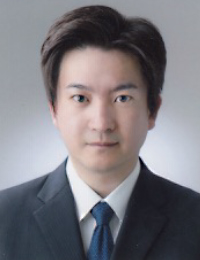
Toshihiro Sakurai, Ph.D., is a Professor at the School of Pharmaceutical Sciences, Ohu University, Japan. His research focuses on the molecular regulatory mechanisms of placental development in cattle, with particular emphasis on the roles of endogenous retroviruses.
•Thomas Spencer (University of Missouri, USA)
“Deconstructing bovine placentation: insights from in vivo single cell analyses and in vitro culture”
•Christiane Pfarrer (University of Veterinary Medicine Hanover, Germany)
“New perspectives for the ultrastructural analysis of the bovine fetomaternal placentomal interface”
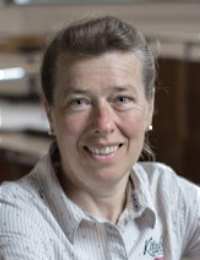
Dr. med. vet. Christiane Pfarrer is Full Professor and Head of the Institute for Anatomy at the University of Veterinary Medicine Hannover, Germany. Her research is focussed on comparative placentation, with special respect to the development of in vitro models for the bovine placenta and analysis of the fetomaternal contact interface by molecular biological and histological methods (from light microscopy to electron microscopy, including 3-D reconstruction).
•Goro Yoshizaki (Tokyo University of Marine Science and Technology, Japan)
“Germ cell manipulation in farmed fishes”
Goro Yoshizaki, PhD, is a Professor in the Department of Marine Biosciences,
Tokyo University of Marine Science and Technology, Japan. His research
centers on germ-cell manipulation in fish, with a particular focus on its
applications to aquaculture and fish conservation.
•Mike McGrew (The University of Edinburgh, United Kingdom)
“Manipulating reproductive germ cells from poultry and other bird species”
•Ina Dobrinski (University of Calgary, Canada)
“Germline gene editing in large animals”

Ina Dobrinski, Dr.med.vet., MVSc, PhD, Dip. ACT, is Professor for Reproductive Biology in the Department of Biochemistry & Molecular Biology in the Cumming School of Medicine, and the Faculty of Veterinary Medicine, University of Calgary, Canada. Her research centers on male germline stem cells, with a focus on large animal models and transplantation.
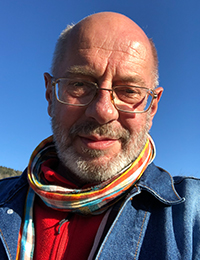
Pascal Mermillod is researcher at the National Research Institute for Agriculture, Food and Environment. His research focus of reproductive biotechnologies for farm animals and wildlife, including oocyte maturation, fertilization and embryo development, with special attention on cell communication during early reproductive events.
•Marc Yeste (University of Girona, Spain)
“Perspectives in porcine semen conservation (liquid and frozen)”
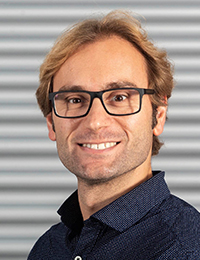
Marc Yeste is a Professor of Cell Biology at the Department of Biology, University of Girona, Spain, and leads the research group on Biotechnology of Animal and Human Reproduction (TechnoSperm). His research addresses various aspects of reproductive biology in mammals, including sperm physiology, interactions of sperm with epithelial cells from reproductive tissues (epididymis and fallopian tube/oviduct), the presence and growth of microbes in semen and their implications for preservation, fertility preservation and cryopreservation of gametes and embryos, ART, genetics of infertility, oocyte activation deficiency, and effects of aging on reproductive health.
•Marie Saint Dizier (French National Institute for Agriculture, Food, and Environment, France)
“Sperm-female interactions in the pig oviduct: a key for insemination success?”

Marie Saint-Dizier, DVM, PhD, is a Professor at the University of Tours, France, and at the French National Institute for Agriculture, Food and Environment (INRAE). Her research centers on maternal interactions with gametes and embryos during the periconception period, with a particular focus on the oviduct epithelium and its impact on sperm selection and embryo quality.
•Cristina Cuello (University of Murcia, Spain)
“Promising research directions for pig embryo production, freezing and transfer”

Cristina Cuello, DVM, PhD, is a Full Professor in the Department of Animal Medicine and Surgery at the University of Murcia, Spain. A member of the Animal Reproduction research group, her work focuses on embryonic technologies in pigs, with emphasis on in vitro embryo production, embryo cryopreservation and transfer, and, more recently, genome editing of porcine embryos using CRISPR.
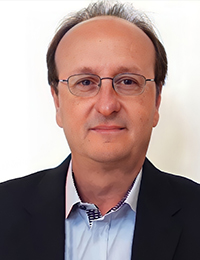
Pietro Baruselli is a Full Professor of Animal Reproduction at the School of Veterinary Medicine and Animal Science, University of Sao Paulo (FMVZ-USP), Brazil. He is an internationally recognized scientist in buffalo and bovine reproductive physiology, with major contributions to the development and dissemination of fixed-time artificial insemination (FTAI) and embryo transfer programs.
•Bianca Gasparrini (University of Naples Federico II, Italy)
“Factors affecting buffalo oocyte competence and embryo production”
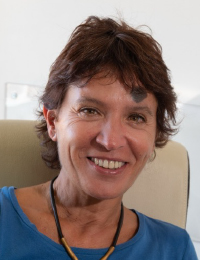
Bianca Gasparrini, DVM, PhD, is Full Professor in the Department of Veterinary Medicine and Animal Production, Federico II University of Naples, Italy. Her research focuses on advanced reproductive technologies in livestock, with a specific emphasis on in vitro embryo production in buffalo and cattle, and on factors affecting oocyte developmental competence
•Naresh Selokar (ICAR-Central Institute for Research on Buffaloes, India)
“New reproductive biotechnologies in buffaloe”

Naresh Selokar, B.V.Sc., Ph.D., is a Senior Scientist in the Department of Animal Biotechnology at ICAR–National Dairy Research Institute, Karnal, India. His research focuses on reproductive biotechnologies, with a special emphasis on animal cloning and genome editing in buffalo and cattle.
Gala Dinner (Hokkaido Hotel) 19:00 – 21:30